discover
Things to Do in Cebu
Top-rated activities, tours, and experiences — from whale sharks to world-class diving
Cebu delivers a breadth of experiences that few destinations in Southeast Asia can match within such a compact geography. In a single day you can swim alongside whale sharks in Oslob, hike through jungle to plunge into the turquoise pools of Kawasan Falls, or watch millions of sardines swirl in a mesmerising baitball just metres from the shore at Moalboal. On land, Cebu City holds the Philippines' oldest street, the UNESCO-associated Basilica del Santo Niño, Magellan's Cross, and Fort San Pedro — a living Spanish colonial quarter surrounded by vibrant street food, modern malls, and a thriving café culture. World-class diving at Malapascua for thresher sharks, island-hopping through the Camotes Islands, and sunrise canyoneering tours round out one of the most varied activity menus in Asia.
425 verified listings across Cebu

Atlantis Submarine Guam
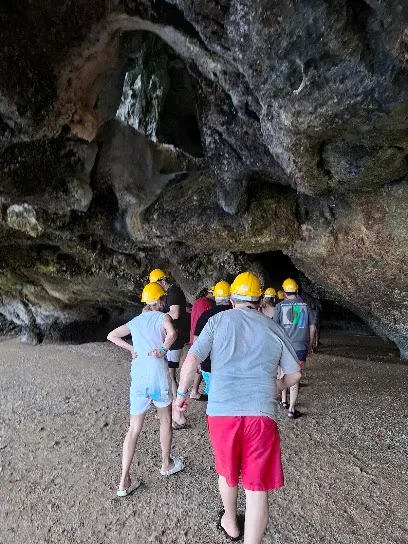
Mai Kaew Cave Trekking Tour
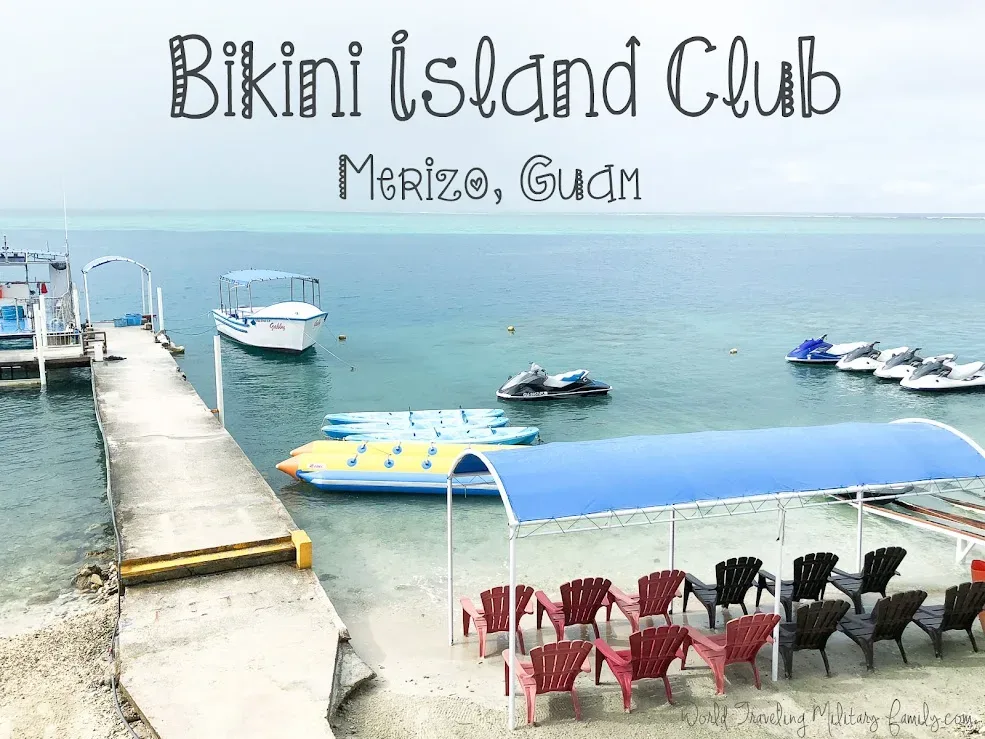
Bikini Island Club
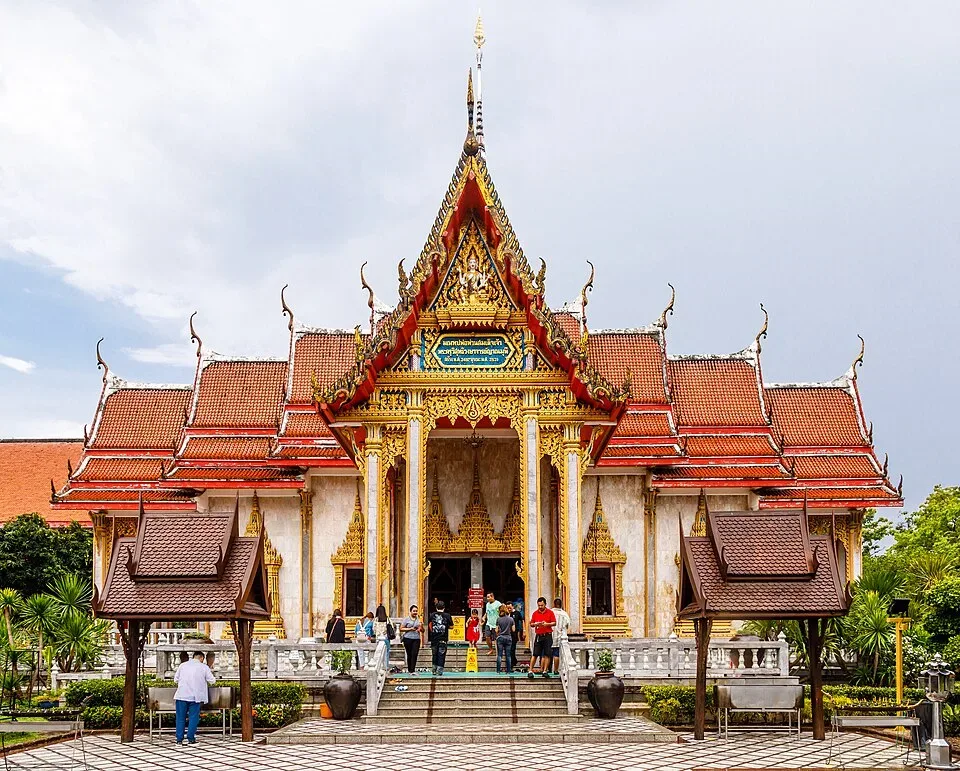
Wat Chalong
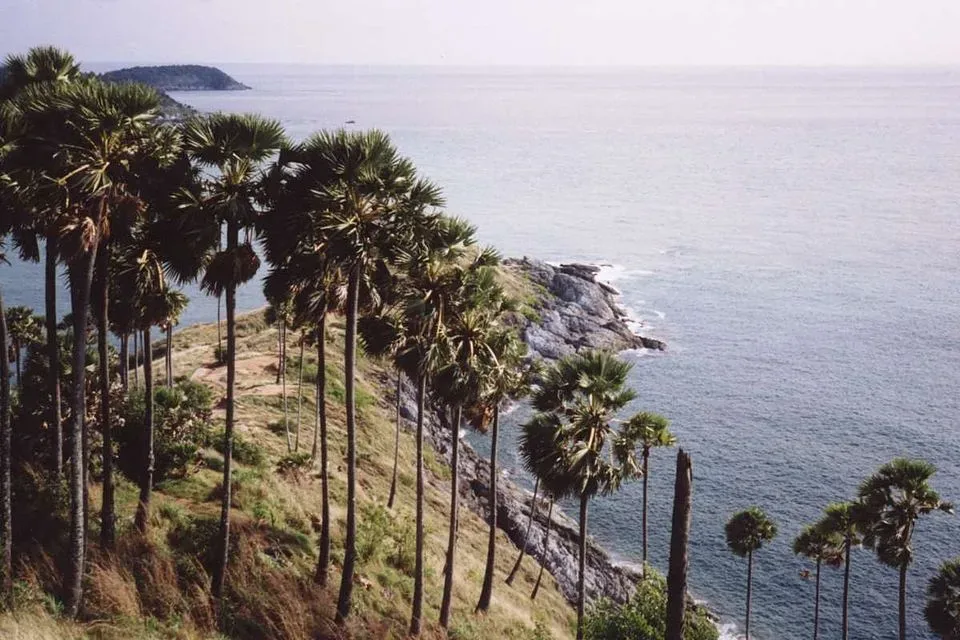
Promthep Cape
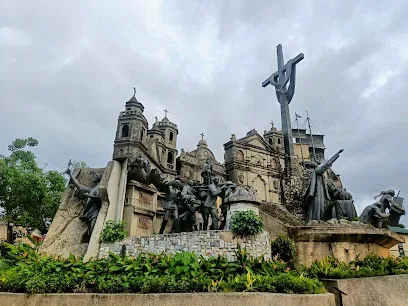
Heritage of Cebu Monument
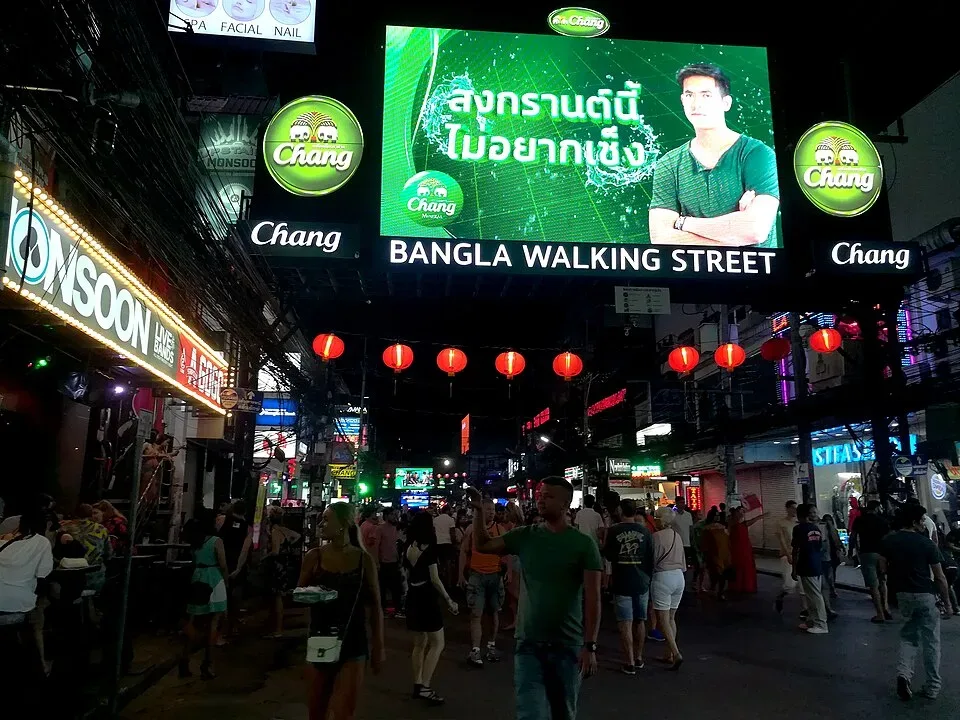
Bangla Road
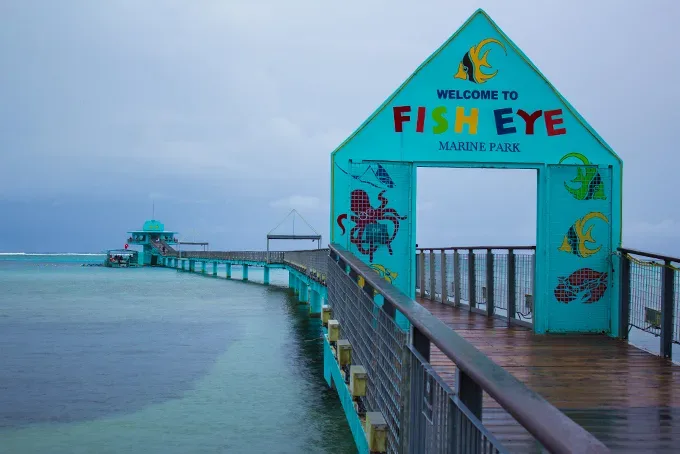
Fish Eye Marine Park
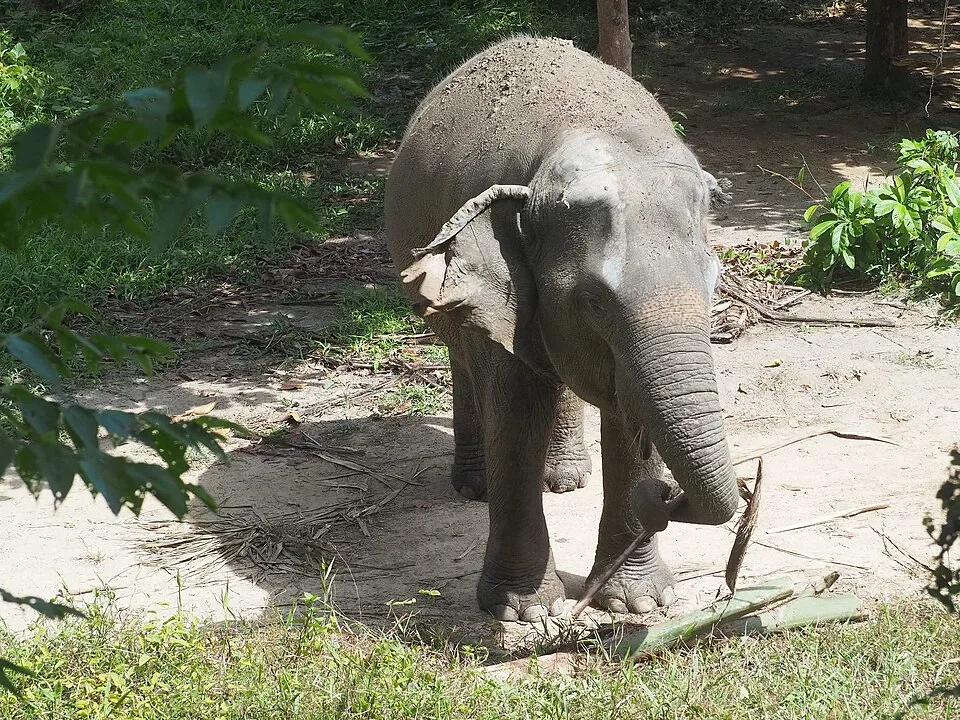
Phuket Elephant Sanctuary
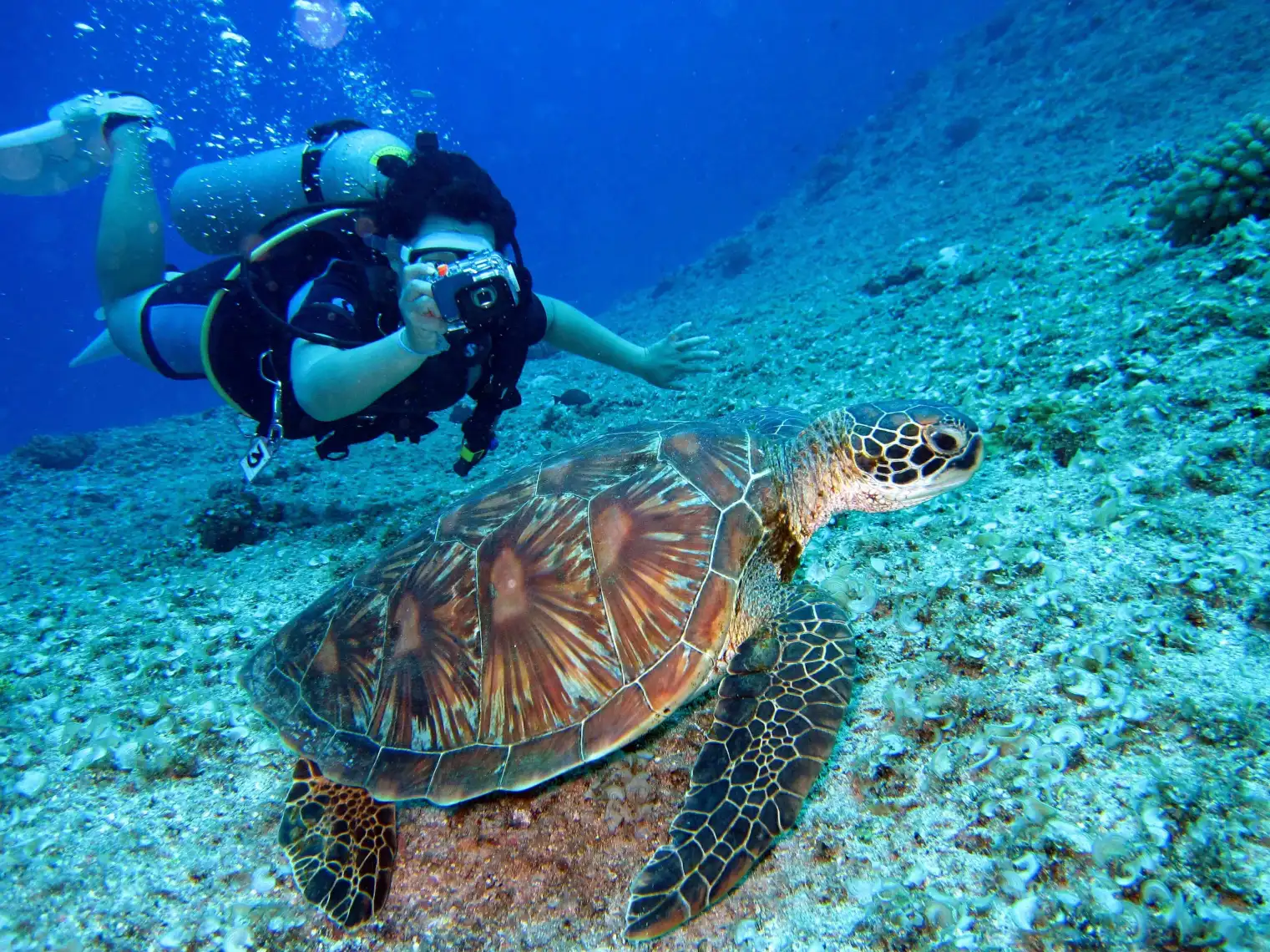
Guam Ocean Adventures
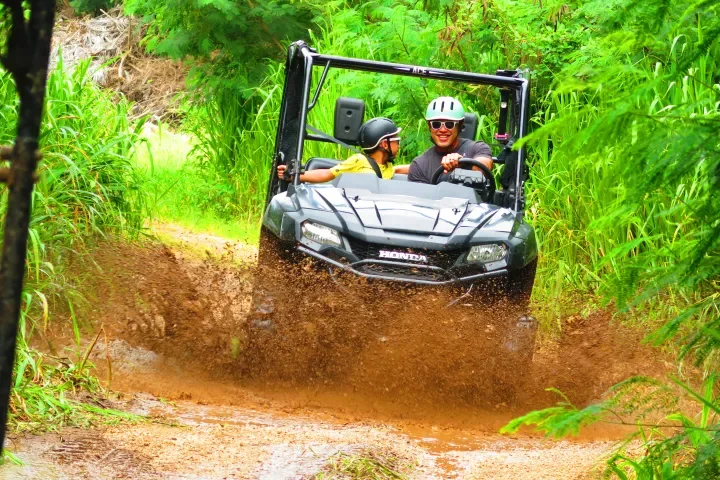
Guam Adventures
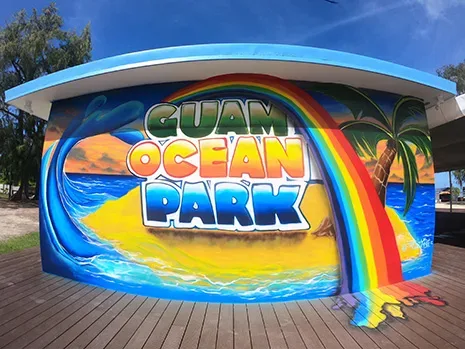
Guam Ocean Park
Adventure Activities in Cebu
Kawasan Falls canyoneering is the most popular day trip from Cebu City and Mactan — guides lead groups through a series of gorges, cliff jumps, and turquoise plunge pools before arriving at the dramatic main falls. Operators pick up from most Mactan hotels at 4–5am; the full tour takes 8–10 hours including transport. Moalboal's sardine run is a year-round wonder requiring no special certification — snorkellers and divers descend on the same site, with the sardine school swirling within metres of the sea floor. Oslob whale shark watching draws visitors seeking a face-to-face encounter with the ocean's largest fish, though the encounter is assisted by daily feedings — a point of ethical consideration for many travellers. Island-hopping day tours from Mactan cover Hilutungan Marine Sanctuary, Caohagan Island, and Olango Island within an easy half-day on the water.
Culture and History in Cebu City
Cebu City is the oldest Spanish settlement in the Philippines, established in 1565. The Basilica Minore del Santo Niño — home to the country's oldest Catholic relic, a 16th-century image of the infant Jesus — is the spiritual heart of the city and draws millions of pilgrims annually, particularly during the Sinulog Festival in January. Magellan's Cross, planted by Ferdinand Magellan in 1521, stands in a small chapel adjacent to the Basilica. Fort San Pedro, one of the oldest Spanish fortifications in the Philippines, overlooks the port and houses a small military history museum. The Carbon Market, the oldest public market in the city, is a sensory immersion into everyday Cebuano life — dried fish, tropical fruits, native handicrafts, and street food all competing for attention in dense, covered stalls.
explore
Browse by Area
questions & answers
Frequently Asked Questions
What is the number one thing to do in Cebu?
Whale shark watching in Oslob is the single most-booked activity from Cebu, but many marine conservationists recommend alternatives — the sardine run at Moalboal and thresher shark diving at Malapascua involve no animal feeding and are genuinely extraordinary. For a single full-day highlight, the combined Oslob whale sharks + Kawasan Falls canyoneering tour is the most popular package and covers two of Cebu's most iconic experiences in one long day.
How many days do you need to see the best of Cebu?
Five to seven days covers Cebu's highlights comfortably: one to two days in Cebu City for history and food, a day for Oslob and Kawasan Falls, a day or two in Moalboal for diving and the sardine run, and a day at a Mactan Island resort. For divers wanting to reach Malapascua for thresher sharks, add at least two more days. Three days is the realistic minimum for a first trip.
What is the best time to visit Cebu for activities?
November to May is the dry season and the best time for outdoor activities, beach days, and diving. December to February offers the coolest temperatures and clearest skies. The Sinulog Festival (third Sunday of January) is a spectacular cultural event but accommodation books out months in advance. June to October is typhoon season — activities generally continue but some outdoor excursions may be disrupted during active weather.
explore more