discover
Shopping in Cebu
Malls, markets, local crafts, and where to find the best Cebu souvenirs
Cebu punches above its weight as a shopping destination. The city has one of the Philippines' most developed mall cultures outside Metro Manila — SM City Cebu, Ayala Center Cebu, SM Seaside City, and Robinsons Galleria Cebu together house hundreds of international and local brands, department stores, food halls, cinemas, and entertainment facilities. Beyond the malls, the Carbon Market (Asia's largest carbon trading market) is Cebu's sprawling public market — the place locals buy dried fish, tropical produce, woven baskets, and everyday goods at wholesale prices. Colon Street, the oldest street in the Philippines, is lined with budget clothing stores, electronics stalls, and pharmacy chains. For handicrafts and locally made goods, the Taboan Public Market (near Carbon) specialises in danggit (dried fish) and other preserved food products that make distinctive Cebu souvenirs.
130 verified listings across Cebu
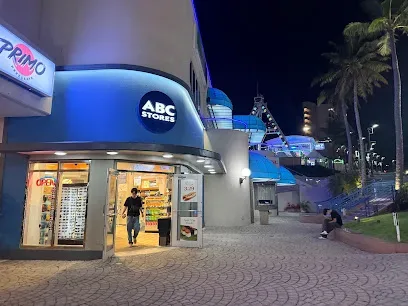
ABC Stores Guam
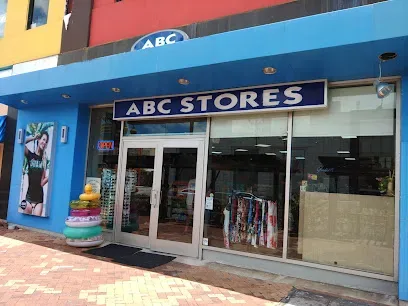
ABC Stores Guam #506
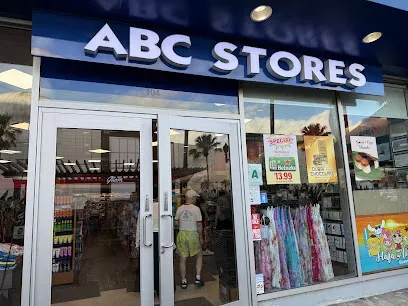
ABC Stores Guam #507
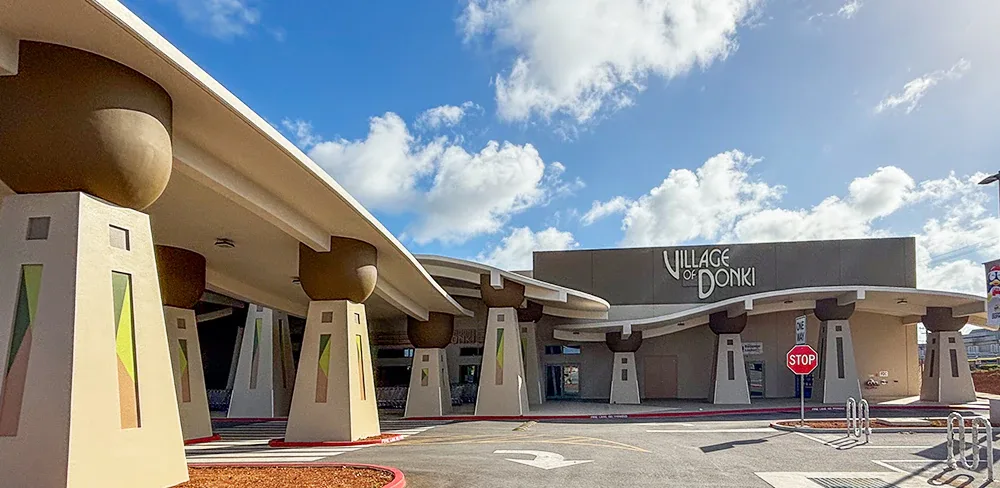
Don Don Donki Guam
Chamorro Village
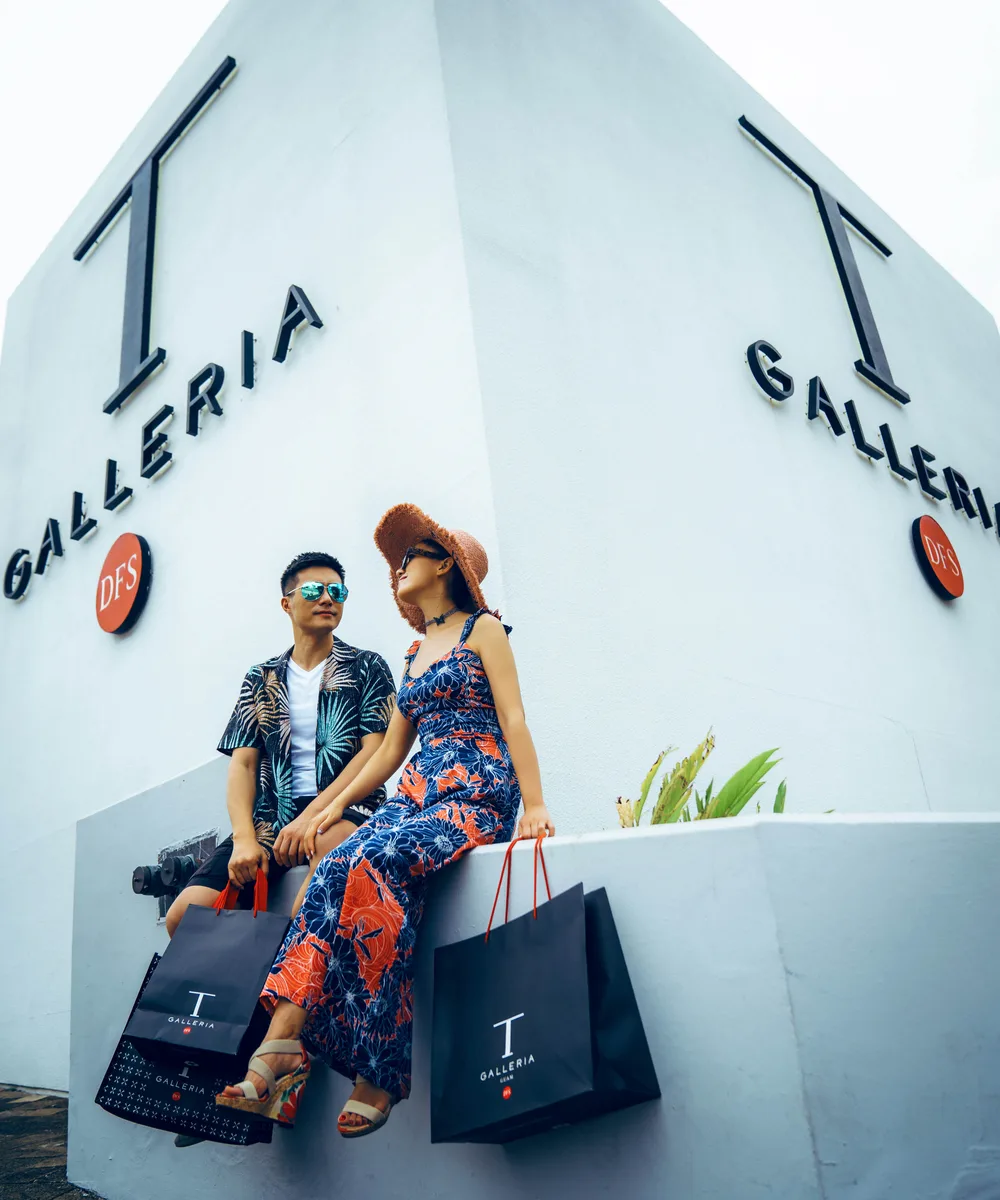
T Galleria by DFS
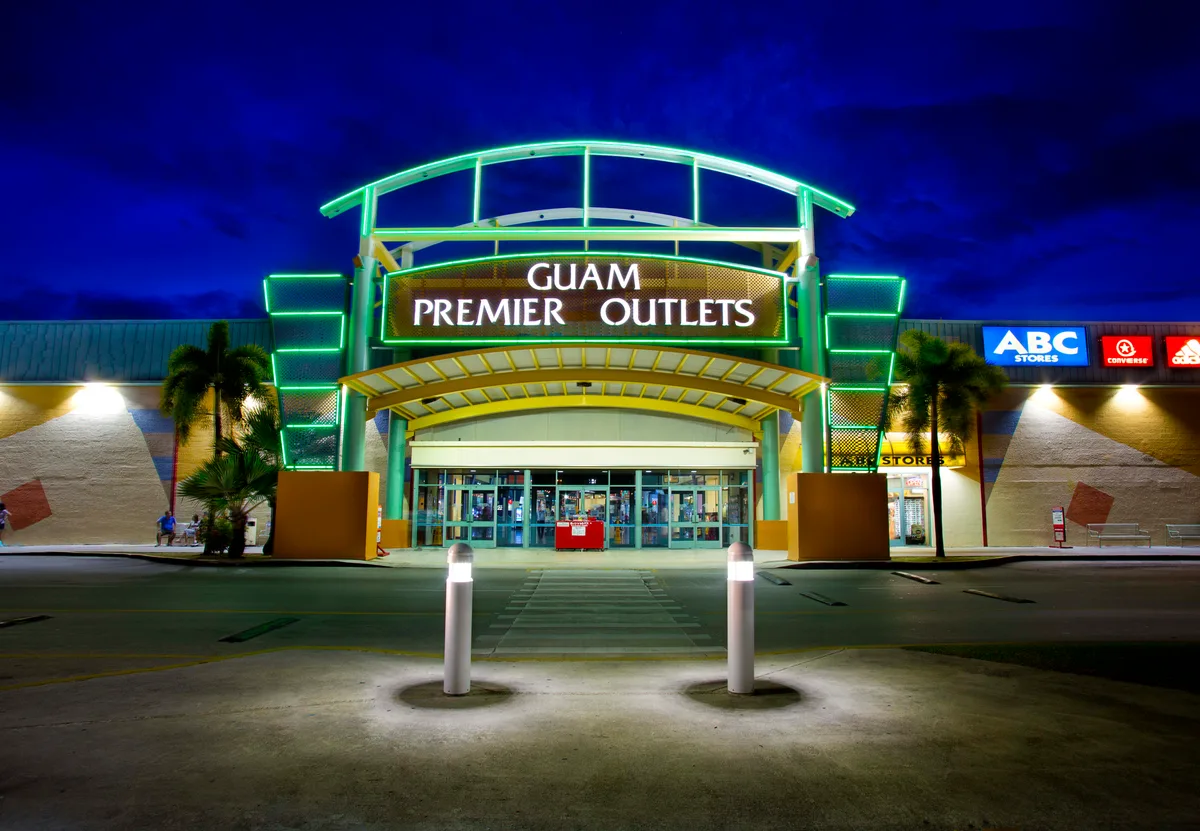
Guam Premier Outlets

Ganh Dau Market
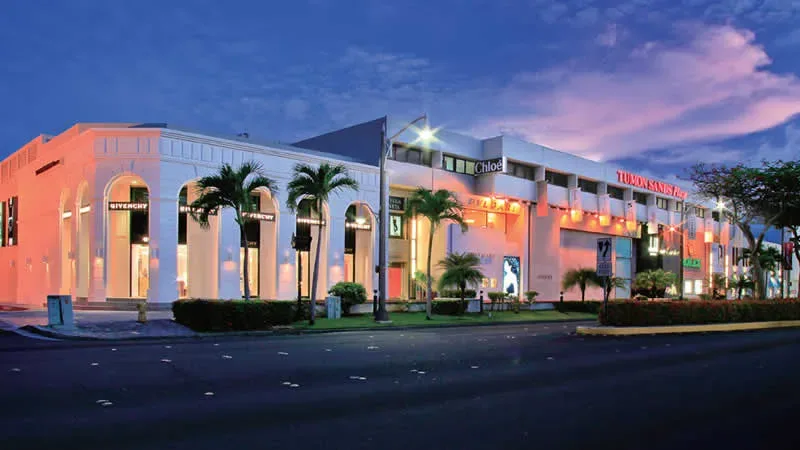
Tumon Sands Plaza
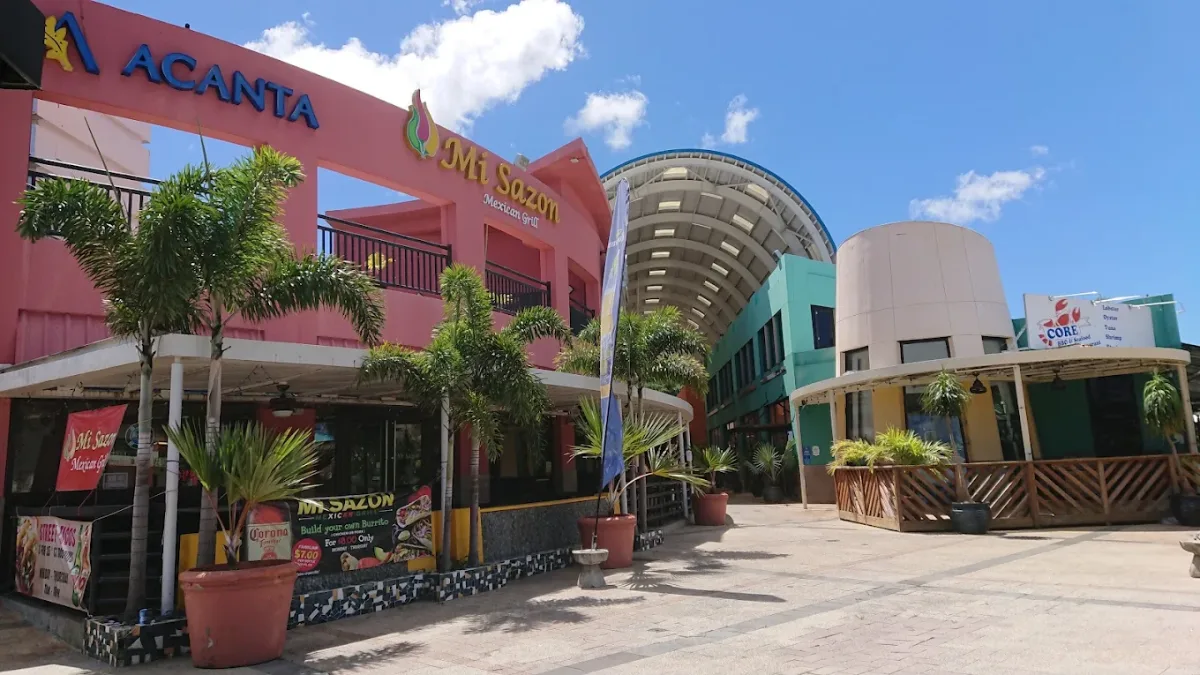
Acanta Mall
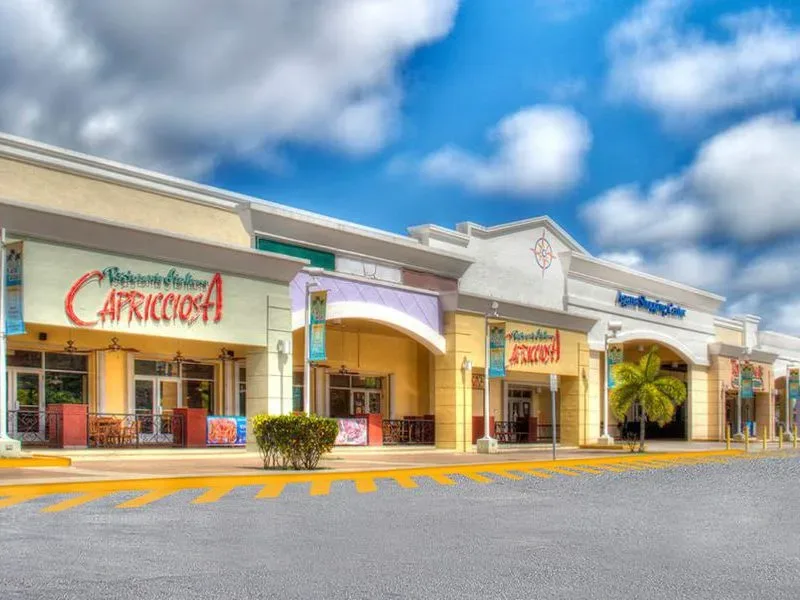
Agana Shopping Center
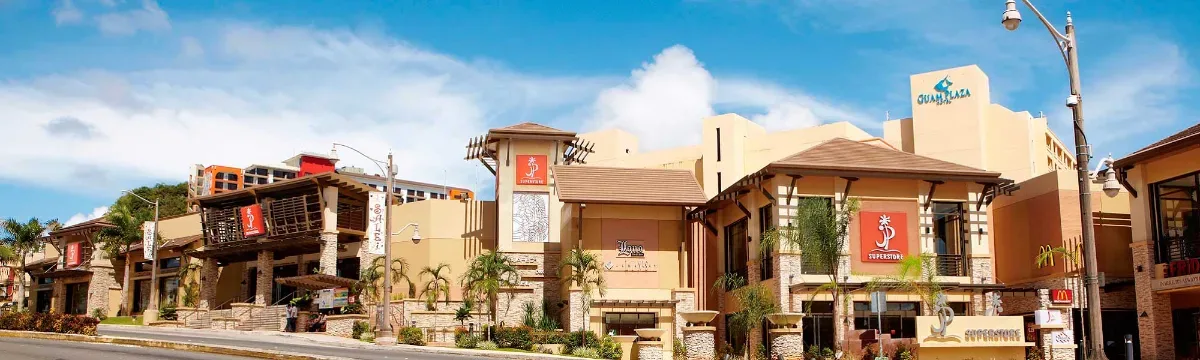
JP Superstore
Best Malls in Cebu
SM City Cebu at the North Reclamation Area is one of the largest malls in the Philippines, with over 650 stores, a supermarket, a cinema complex, and an ice-skating rink. Ayala Center Cebu in Cebu Business Park is the most upscale mall in the city — clean, well-maintained, and anchored by high-end Filipino and international brands alongside an excellent food court and restaurant strip. SM Seaside City Cebu in South Road Properties is newer and architecturally dramatic, with a Sky Park observation deck and a broader selection of casual dining. Robinsons Galleria Cebu in the Ortigas-linked development near the airport area serves as a convenient stop for travellers.
Local Markets and Souvenir Shopping
The Taboan Public Market near Carbon Market is the best place in Cebu to buy pasalubong (gifts and souvenirs to bring home) — specifically dried danggit (rabbitfish), dried pusit (squid), chorizo de Cebu, and other preserved regional foods that are sold vacuum-packed for travel. Carbon Market itself is Cebu's most atmospheric shopping experience: enormous, chaotic, and full of life — fresh produce, secondhand clothing, hardware, rattan baskets, and everyday market goods at rock-bottom prices. For Filipino handicrafts and machine-made rattan and abacá pieces, the Pasalubong Centre near Pier 1 in the port area is convenient. Custom-made furniture and quality rattan goods can be commissioned from workshops in Mandaue City, which is the centre of Cebu's world-famous rattan and furniture industry.
explore
Browse by Area
questions & answers
Frequently Asked Questions
What are the best souvenirs to buy in Cebu?
The most distinctively Cebuano souvenirs are food-based: dried danggit (rabbitfish, sold vacuum-packed at Taboan Market), chorizo de Cebu (sweet native pork sausage), dried pusit (squid), and ube-based pastries. Non-food options include locally made rattan and abacá (hemp fibre) products — Cebu province is the global centre of rattan furniture manufacturing, and small items (baskets, placemats, organizers) are excellent value. Taboan Market and the Pasalubong Centre near the port are the best souvenir shopping locations.
Is Carbon Market safe to visit?
Carbon Market is safe during daylight hours (recommended visit: 7am–1pm when the market is at its most active and well-staffed). The area is crowded and can feel overwhelming — watch your belongings, carry only the cash you need, and dress simply. Arriving by rideshare (Grab) is recommended over walking from the city centre. The market is a genuinely authentic slice of daily Cebuano life and is worth visiting for the experience even if you are not there to shop.
What time do malls open in Cebu?
Most major malls in Cebu (SM City, Ayala Center, SM Seaside) open at 10am and close at 9–10pm daily, with slightly extended hours on weekends and public holidays. Supermarkets and food halls within malls typically open earlier (8–9am) and close later. During peak shopping periods (Sinulog Festival week, Christmas season), some malls extend hours to 11pm or midnight.
explore more