Showing 12 of 1000 businesses
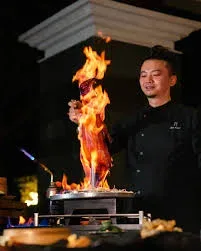
Lion X
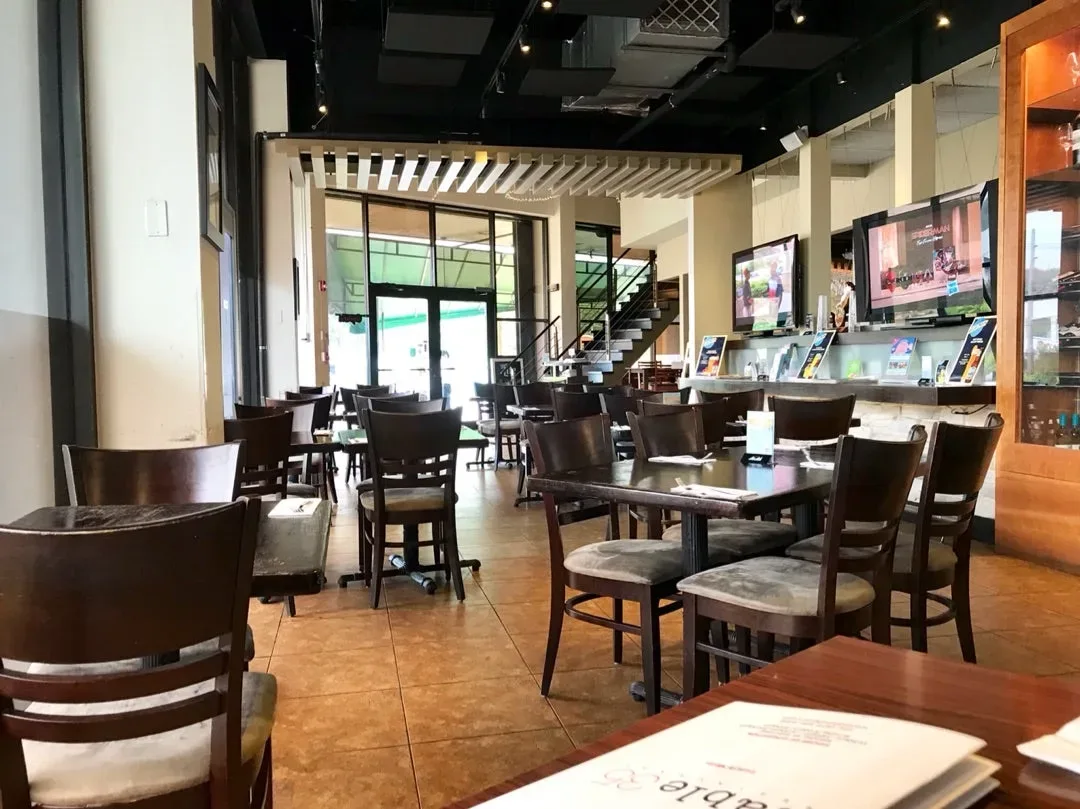
Table 35
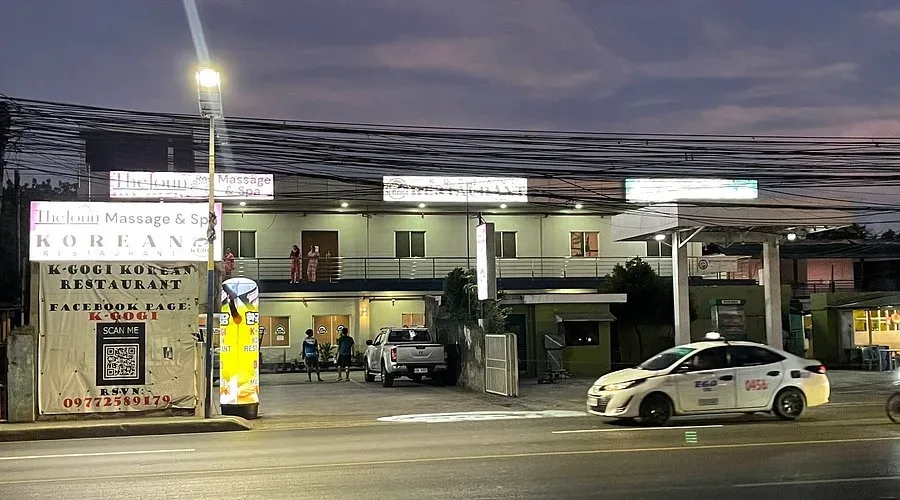
K-GOGI Korean Restaurant
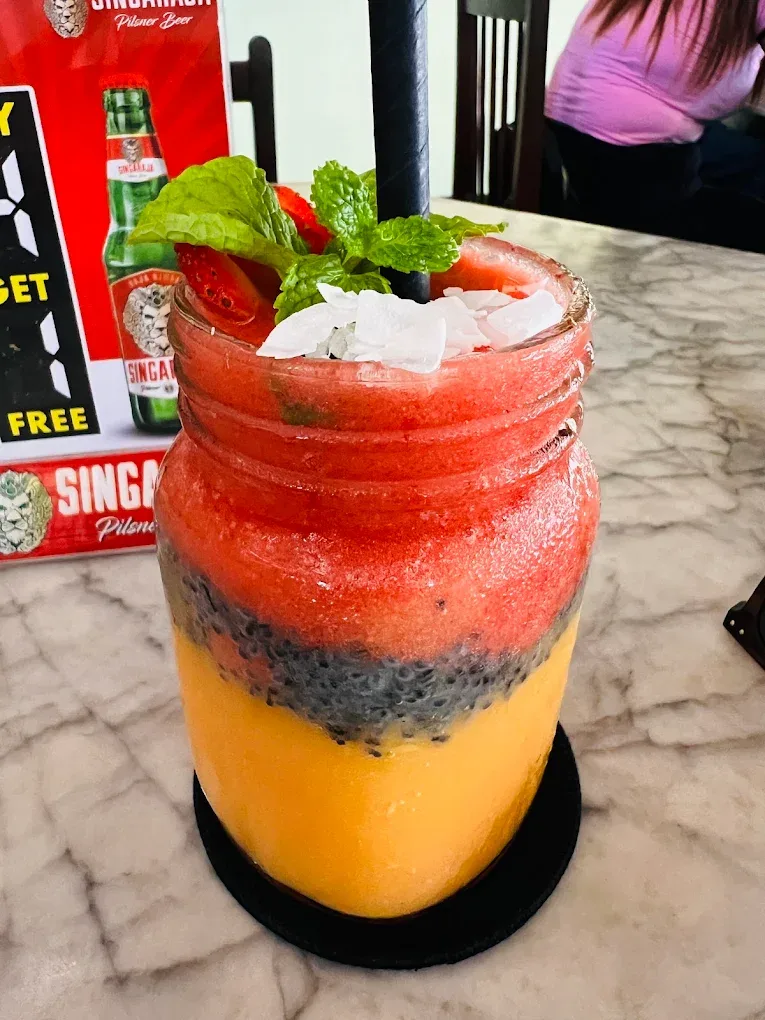
Made’s Warung Cafe
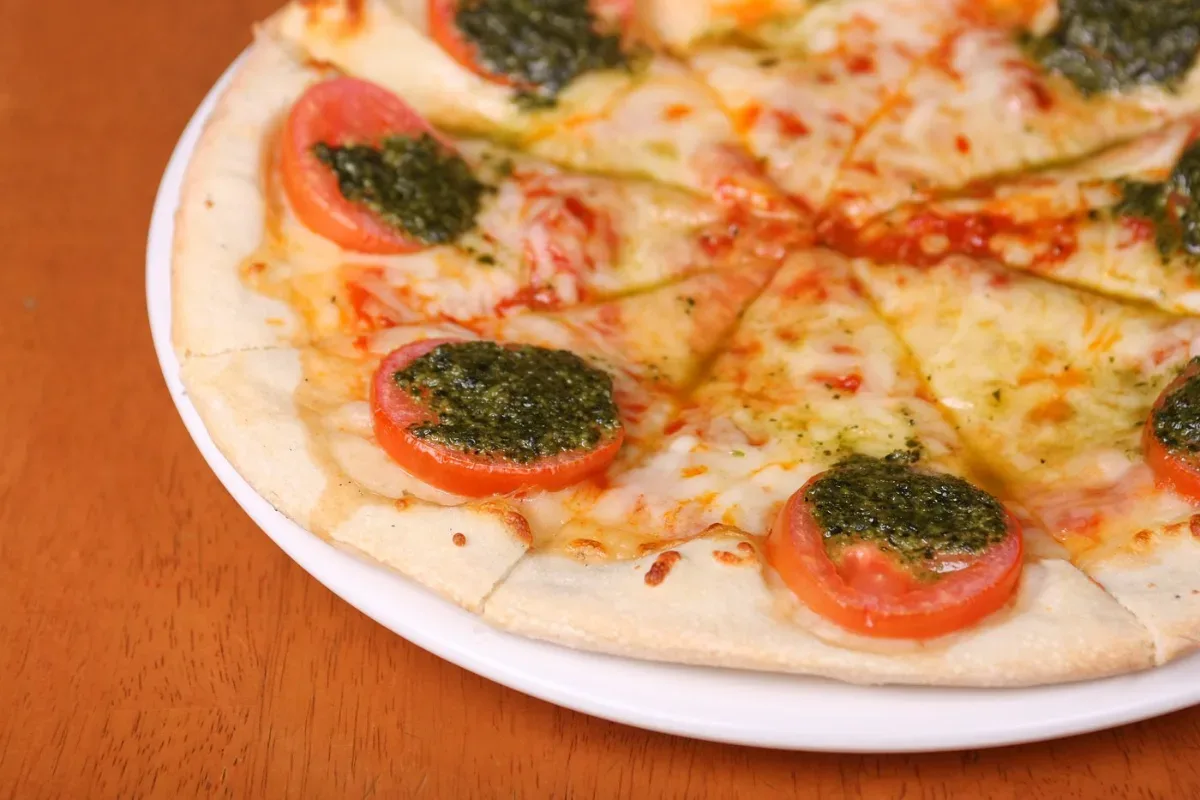
Capricciosa Agana Shopping Center
Churrasco Brazilian Steakhouse and Salad Bar
Liu Li Palace Seafood Restaurant
Noki Nocs Savory House
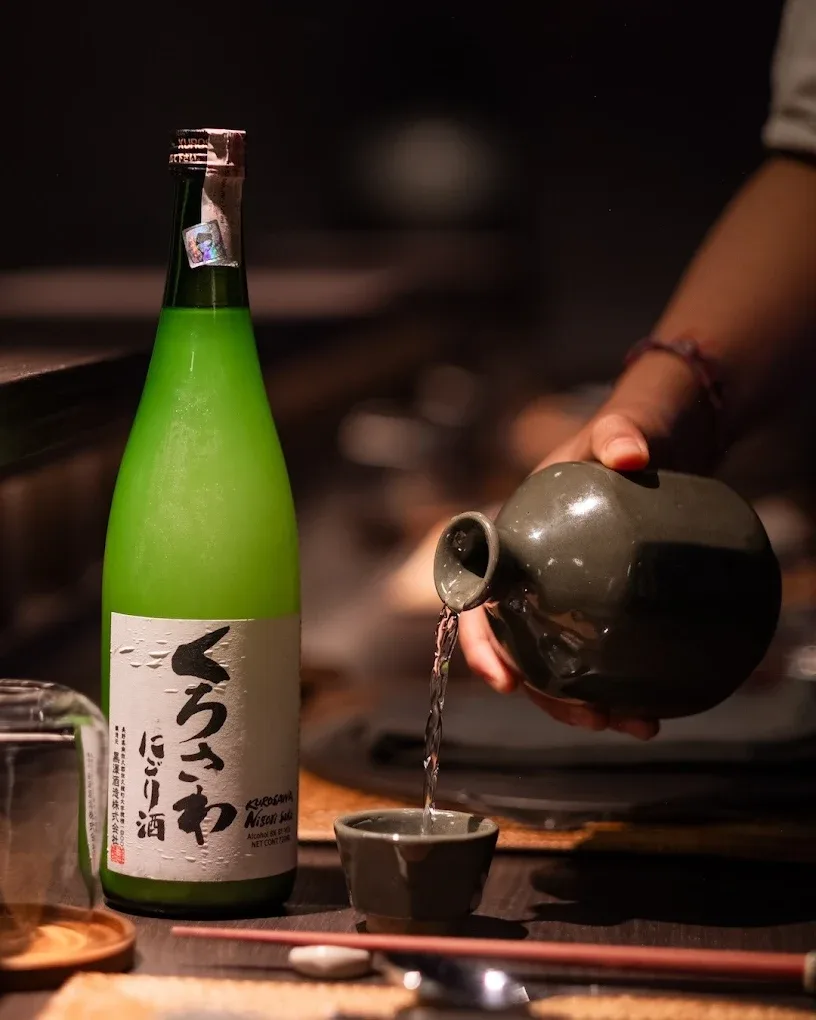
Mori
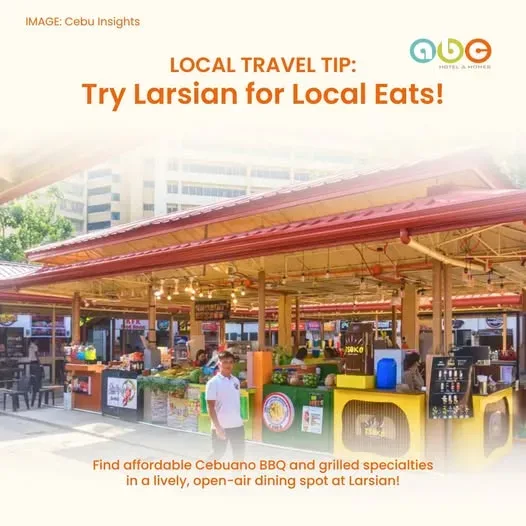
Larsian BBQ & Grill
$
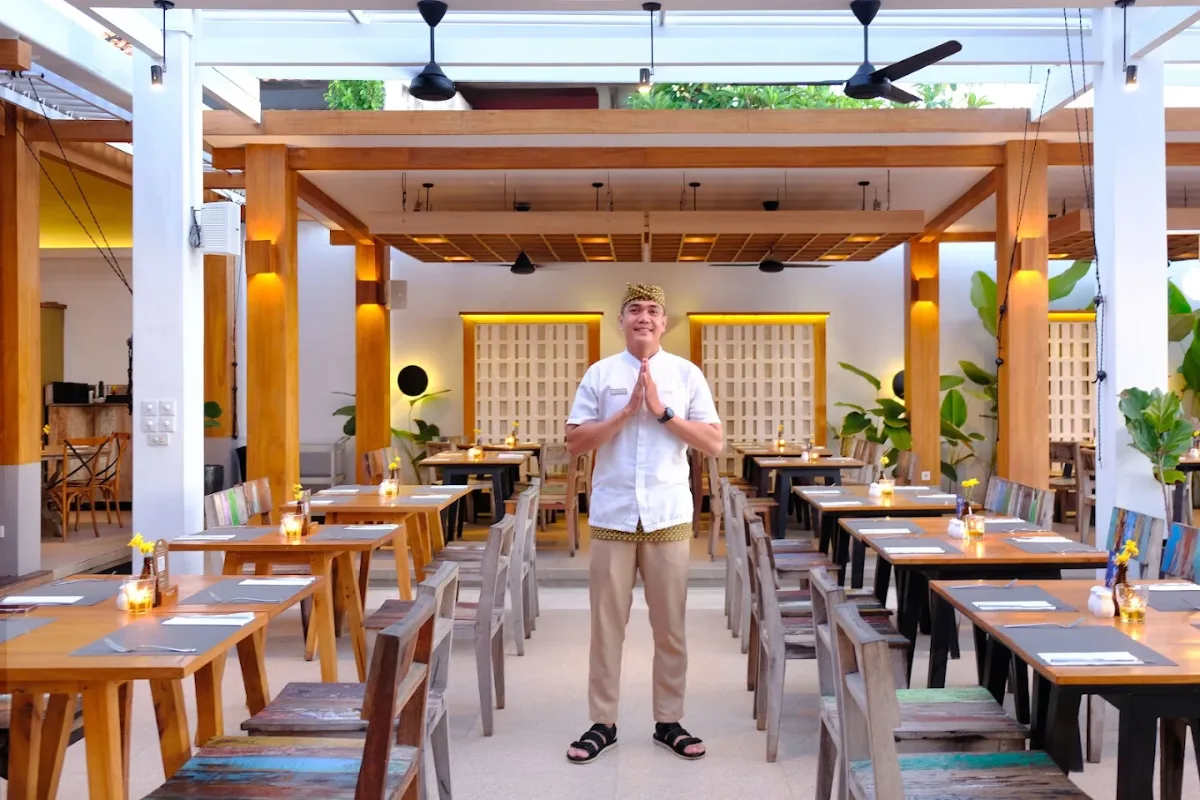
Mozzarella - by The Sea
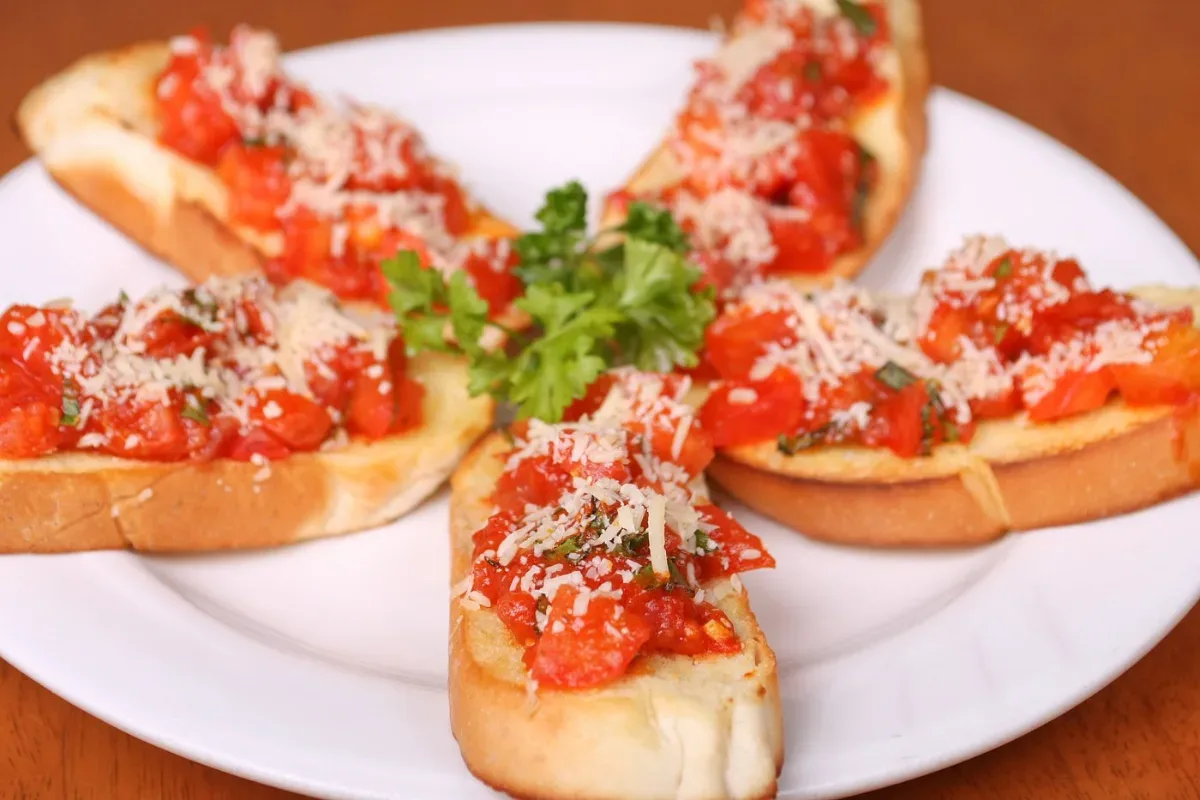
Capricciosa Pacific Place
Guam's dining scene punches well above its size. The island blends CHamoru traditions — kelaguen, red rice, finadene — with the flavours that Japanese, Korean, and Chinese visitors love most: yakiniku, Korean BBQ, ramen, and dim sum. Tumon Bay is the dining hub, but neighbourhood spots in Tamuning, Harmon, and Dededo often serve the most authentic local food at a fraction of resort prices. Most restaurants are open for both lunch and dinner; a few local favourites close mid-afternoon. Reservations are rarely needed except at fine-dining venues on weekends.
why this category matters
How to compare the strongest options
Tumon and Tamuning dominate convenience, but some of the best-value local meals sit away from the resort strip.
Category pages work best when you narrow by island first, then compare village clusters for local staples versus tourist comfort food.
Review count matters more than raw rating when you are choosing between long-established local spots and newer trend-led venues.
planning notes
What to know before you book
How to use this category well
Start with island context. Guam skews toward CHamoru, Japanese, and Korean demand; Cebu is broader and more local-market driven; Bali and Phuket split more clearly between tourist zones and destination dining areas. That means the strongest restaurant choice is often about where you are staying, not just which venue has the highest star rating.
What usually separates a good pick from a bad one
Look at location fit, service style, and time-of-day patterns. A highly rated beach-club restaurant may be a weak lunch choice if you want a fast local meal, while a roadside Cebu lechon stop may outperform polished resort dining if food quality is the only goal.
decision guide
How to choose the right fit
Choose by meal type first
Separate quick local meals, destination dinners, seafood nights, and café-style brunches before you compare ratings. Restaurants that dominate one use case are often mediocre in another.
Use area as a quality filter
Seminyak, Phuket Town, Cebu City, and Tumon all solve different dining problems. The strongest shortlist usually starts with where you are staying and how far you are willing to travel for one meal.
Treat review count as trust
A 4.5 rating from a deep review base is usually safer than a slightly higher score from a thin sample. That matters even more in trend-heavy dining zones where new openings can spike early ratings.
Know when convenience wins
The best restaurant on paper is not always the best dinner choice if traffic, reservations, or timing make it a bad fit for the rest of the day.
questions & answers
Frequently Asked Questions
What is the must-try local dish in Guam?
Kelaguen is the signature CHamoru dish — marinated chicken, beef, or shrimp with lemon juice, fresh coconut, and hot pepper. Pair it with red rice and finadene sauce. The Chamorro Village Night Market (Wednesday nights) is the best single place to try several local dishes at once.
Are there good options for Japanese and Korean tourists who prefer familiar food?
Yes. Guam has a large number of Japanese restaurants, Korean BBQ grills, and ramen shops, particularly in Tumon. Many menus are printed in Japanese and Korean. Some restaurants cater almost exclusively to Asian tourists, so you will find familiar flavours island-wide.