discover
Where to Eat in Guam
Top-rated restaurants, cafes, and local food spots across the island
Guam's restaurant scene is far more diverse than most first-time visitors expect. The island's unique position as a US territory with deep Japanese, Korean, and Filipino influences means you can eat traditional CHamoru kelaguen and red rice at a local diner, world-class Japanese omakase at a Tumon resort, authentic Korean barbecue in Tamuning, and fresh Pacific seafood across the island — all within a 20-minute drive. Browse verified listings below to find the right spot for your mood and budget.
1390 listings across Guam
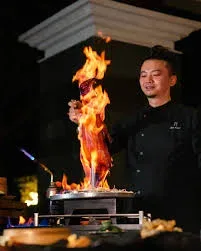
Lion X
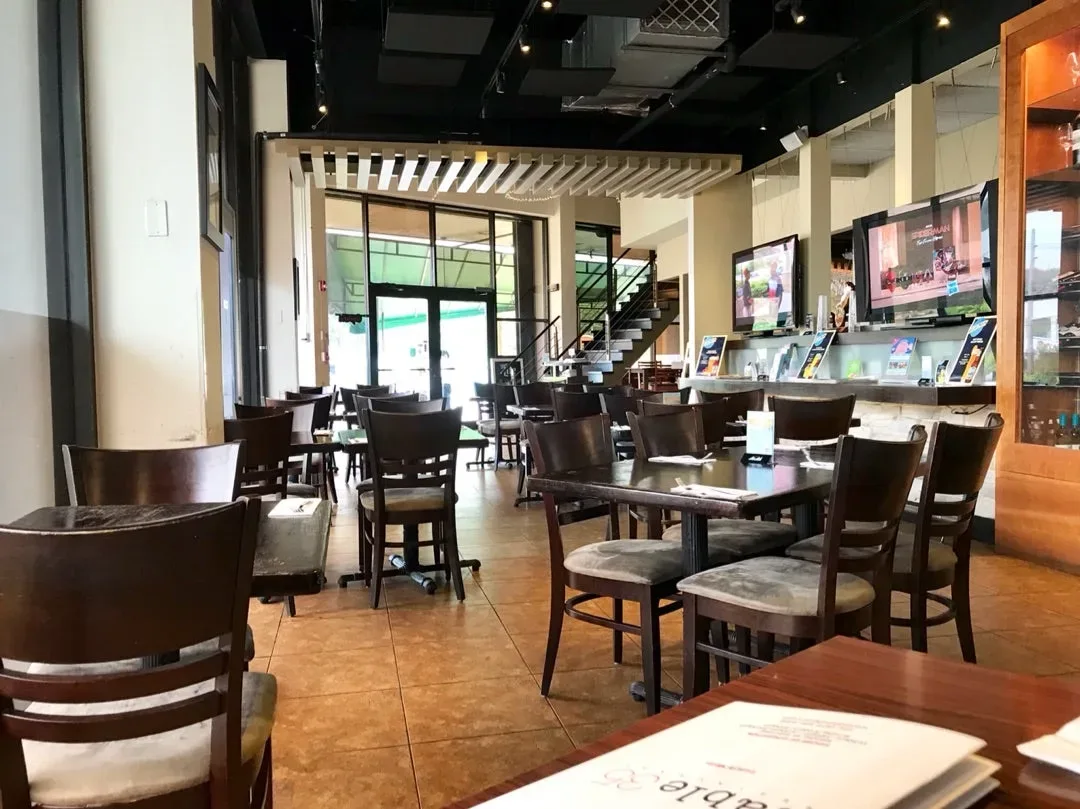
Table 35
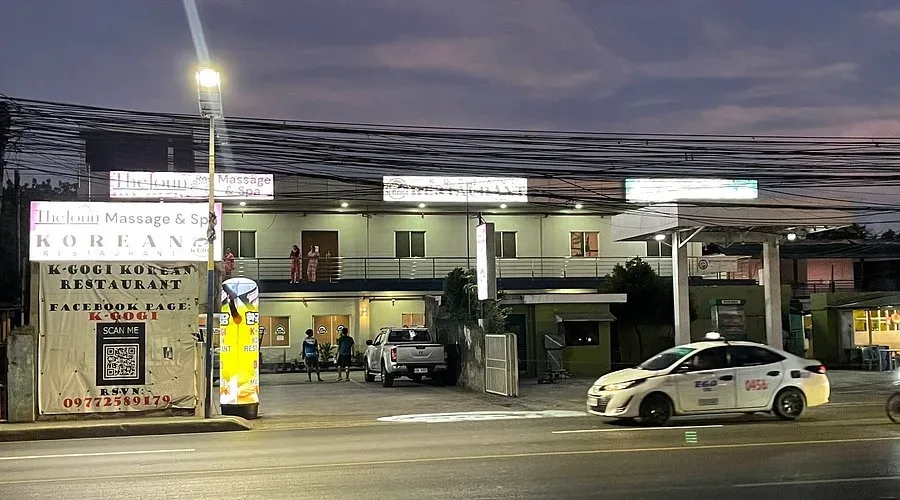
K-GOGI Korean Restaurant
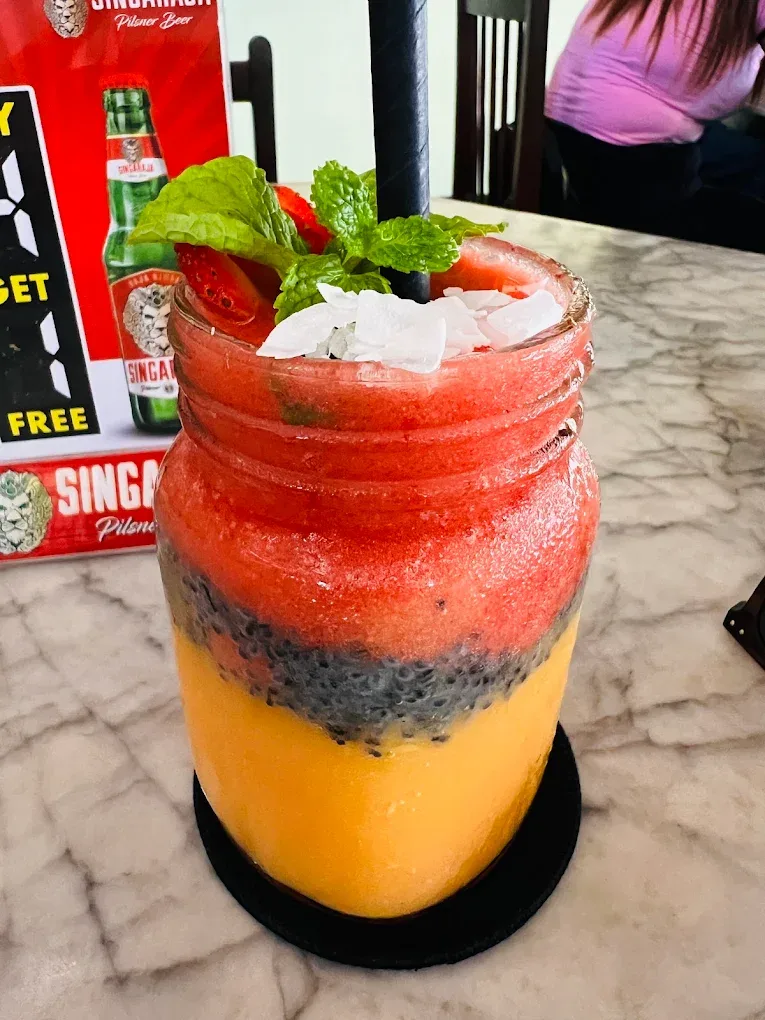
Made’s Warung Cafe
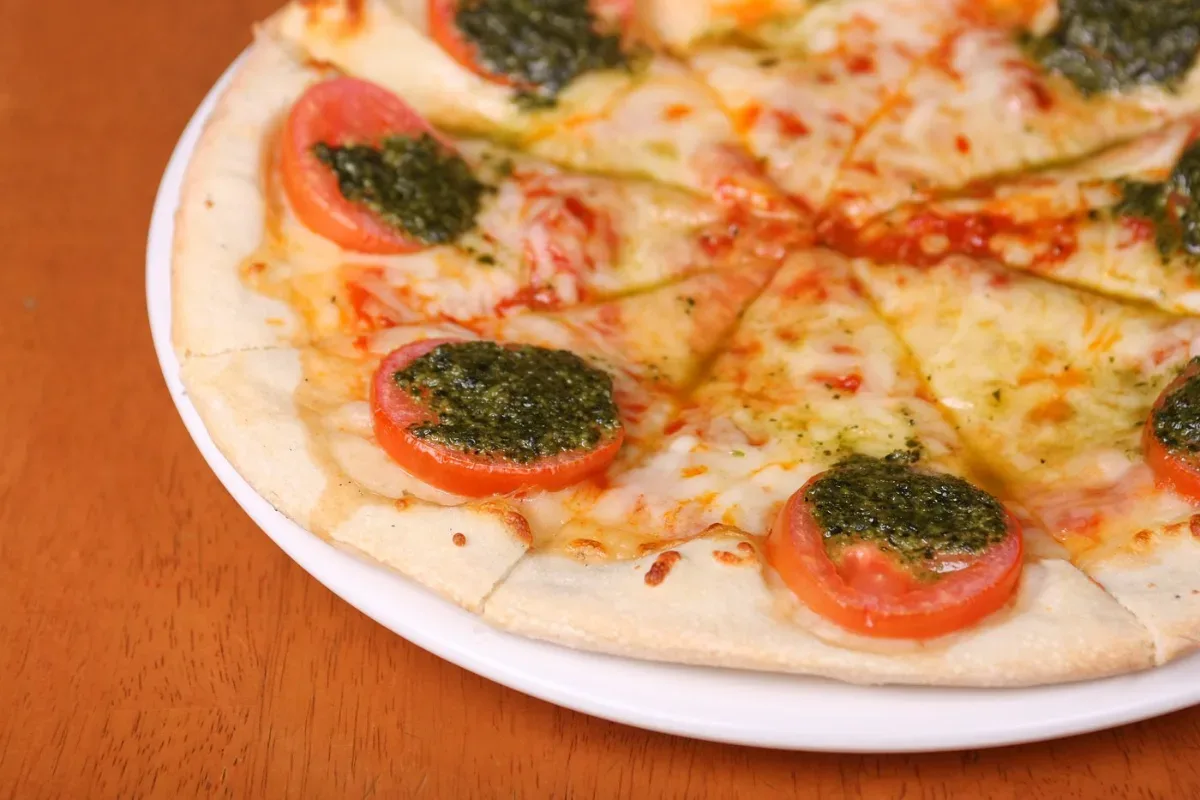
卡普里乔萨意大利餐厅
Churrasco Brazilian Steakhouse and Salad Bar
Liu Li Palace Seafood Restaurant
Noki Nocs Savory House
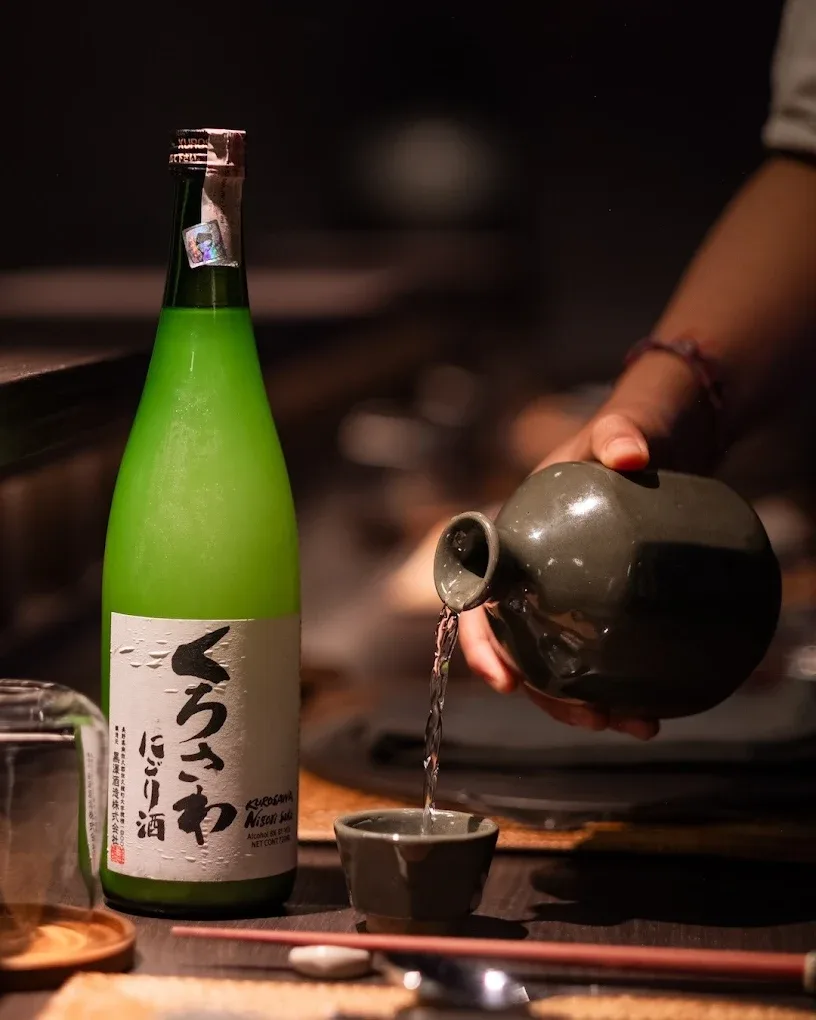
Mori
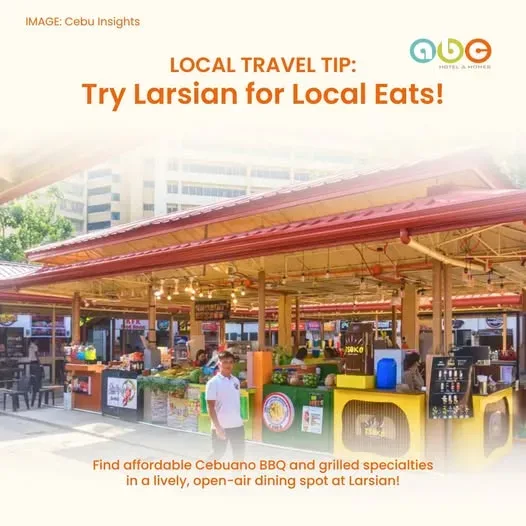
Larsian BBQ & Grill
$
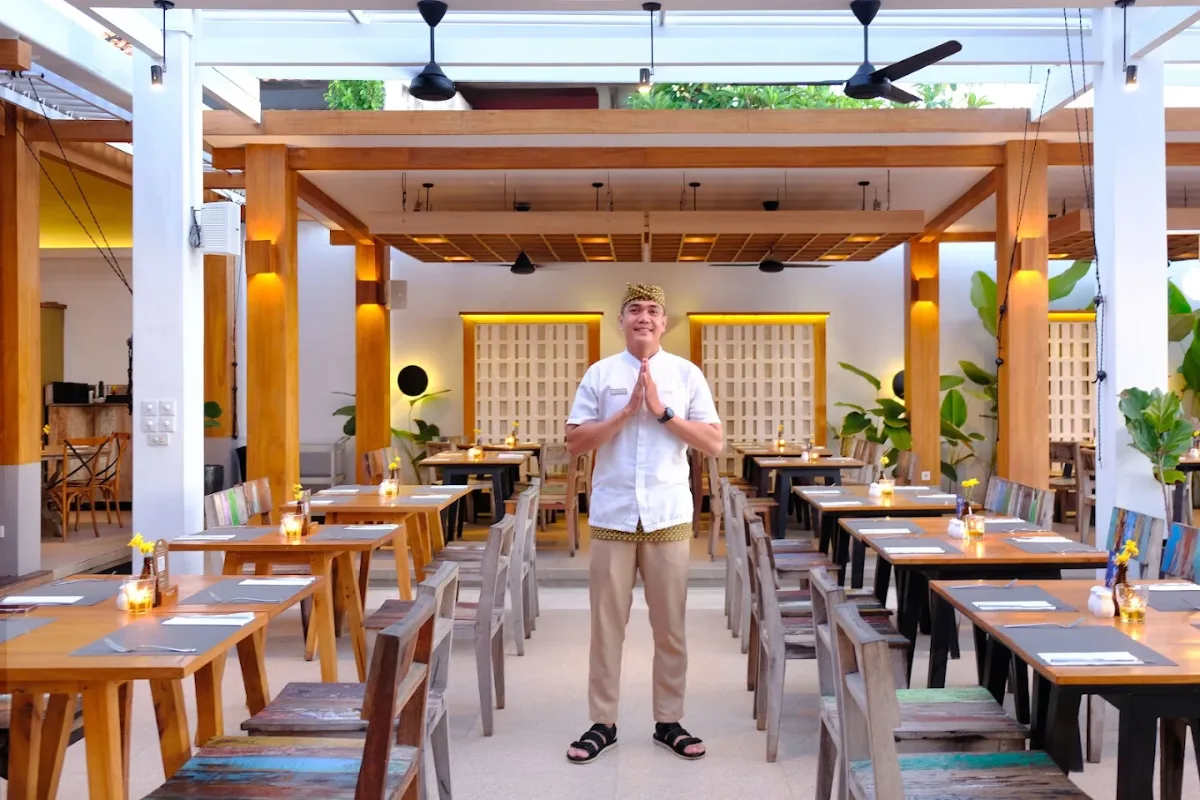
Mozzarella - by The Sea
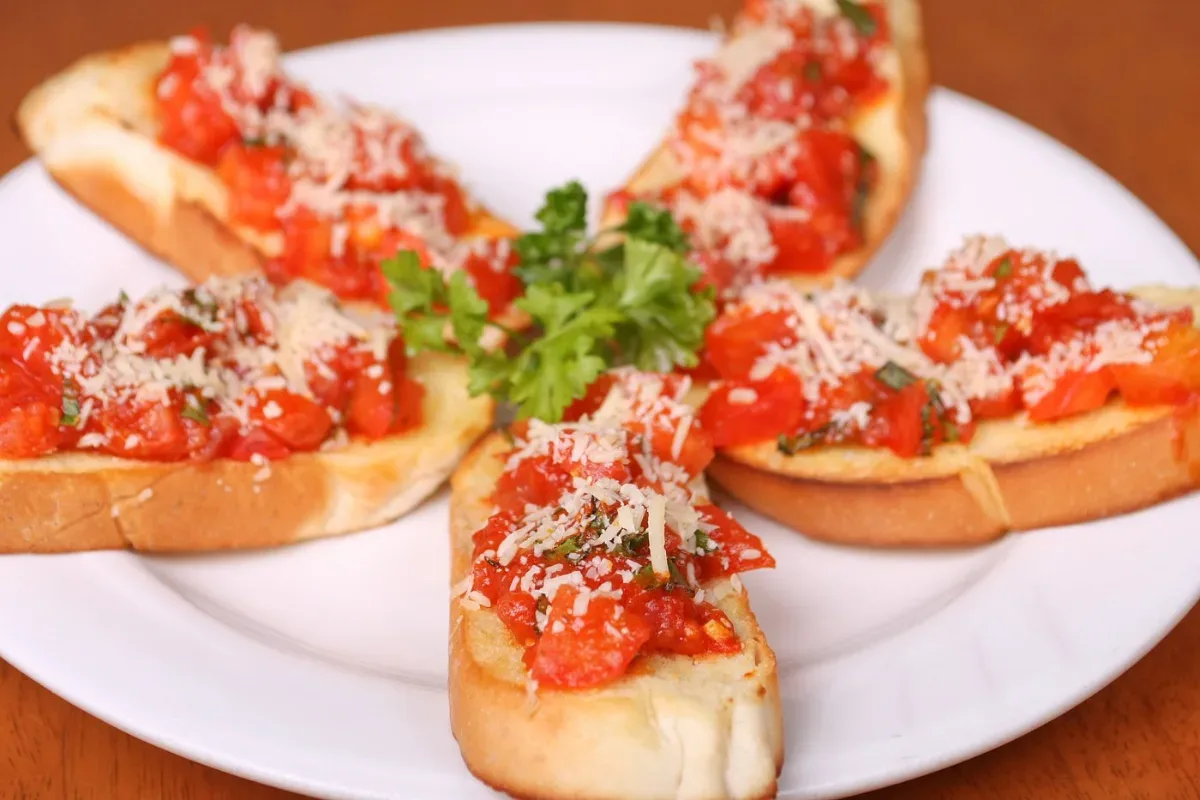
卡普里乔萨意大利餐厅
Guam Dining by Neighborhood
Tumon is where most visitors eat — and for good reason. The main strip along Pale San Vitores Road is lined with Japanese teppanyaki counters, sushi bars, Korean BBQ restaurants, and resort hotel dining rooms serving breakfast buffets and dinner sets. Prices are higher here, but the density of quality options is unmatched. Tamuning, just south of Tumon, is the local's choice: Filipino eateries, Chinese restaurants, Thai food, and several excellent Korean BBQ spots run by local families at significantly lower prices. Hagåtña and Dededo are where you find the most authentic CHamoru cooking — family-run diners serving red rice, titiyas, and freshly made finadene for plate-lunch prices. The Chamorro Village Night Market in Hagåtña (every Wednesday evening) is the single best place to sample the widest variety of local food in one session.
What to Expect When Dining in Guam
Service culture in Guam is warm and unhurried — dining here is a social experience, not a quick transaction. Most restaurants open for lunch from 11 AM and for dinner from 5:30 PM; reservations are recommended for resort dining rooms and popular Japanese restaurants on Friday and Saturday evenings. Tap water is safe to drink. Tipping is standard at 15–20% in sit-down restaurants; food courts and casual counters typically do not expect tips. Credit cards are accepted almost everywhere in Tumon and Tamuning; carry some cash for local markets and smaller family eateries in residential villages. Portions at local diners are generous — the plate-lunch format usually includes a protein, rice, and at least one side dish for a single price.
local cuisine
CHamoru Food Guide
The 8 essential CHamoru dishes every visitor should try in Guam.
explore
Browse by Area
questions & answers
Frequently Asked Questions
What food is Guam famous for?
Guam is famous for CHamoru cuisine — the indigenous food culture of the island's native people. Signature dishes include red rice (cooked with achote seeds), kelaguen (citrus-marinated chicken, shrimp, or beef), tinaktak (ground beef simmered in coconut milk), finadene sauce (tangy soy-vinegar dipping sauce found on every table), and latiya (a custard layer cake). Beyond CHamoru food, Guam's multicultural population means excellent Japanese, Korean, Filipino, and American food is widely available.
Where is the best area to eat in Guam?
Tumon has the highest concentration of restaurants — resort hotel dining rooms, Japanese teppanyaki counters, sushi bars, Korean BBQ spots, and international chains line the main strip. Tamuning offers more local, affordable dining including Filipino restaurants and food courts. Hagåtña is the best area for authentic CHamoru plate lunch diners. For the most local experience, Chamorro Village Night Market (every Wednesday evening) is unmissable.
How much does it cost to eat out in Guam?
Dining costs in Guam range widely. Local plate lunch diners serve generous CHamoru meals for $8–$15. Mid-range restaurants run $15–$35 per person. Resort hotel restaurants and fine dining can reach $50–$120+ per person. Food courts at Micronesia Mall and GPO offer quick meals for $6–$12. The Chamorro Village Night Market has the best value local food at $5–$12 per dish.
Are there vegetarian or vegan options in Guam?
Vegetarian and vegan options are available, though the menu is more limited than in major cities. Most Japanese restaurants offer vegetable sushi and tofu dishes. Many Korean restaurants have vegetable banchan and bibimbap. Indian and Chinese restaurants in the island's residential areas offer vegetarian menus. The Chamorro Village market has vegetable options. Dedicated vegan restaurants are rare, but accommodation is generally possible with advance communication.
explore more