discover
Diving in Cebu
Thresher sharks, sardine runs, wall dives, and world-class marine life — all in one compact island
Cebu is one of the world's premier scuba diving destinations, offering a concentration of elite dive experiences within a single island that few dive regions on earth can match. At Malapascua Island in the north, thresher sharks ascend from the deep Pacific to a cleaning station at Monad Shoal every morning — one of the most reliable and sought-after pelagic shark encounters on the planet. At Moalboal on the southwest coast, a permanent, year-round school of tens of millions of sardines creates a mesmerising swirling baitball snorkellable from the beach in 3 metres of water. Mactan Island's house reefs combine colourful coral gardens, sea turtles, and wall dives accessible to all certification levels — the ideal location for first dives and open-water courses. Pescador Island near Moalboal adds a famous cathedral cave dive. Oslob, for the whale shark encounter, allows swimmers and snorkellers a face-to-face experience with the ocean's largest fish. Add hammerheads, mantas, and pygmy seahorses across Cebu's many dive sites and the credentials are formidable.
260 verified listings across Cebu

亚特兰蒂斯潜水艇关岛
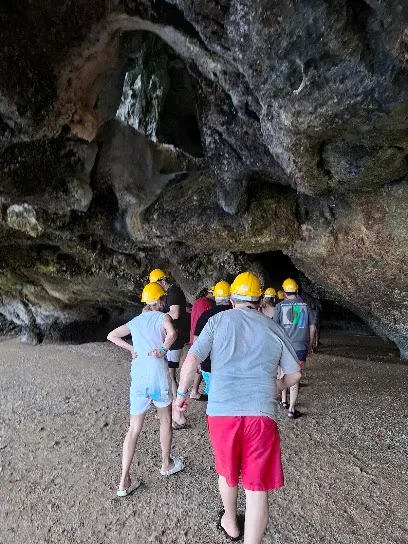
Mai Kaew Cave Trekking Tour
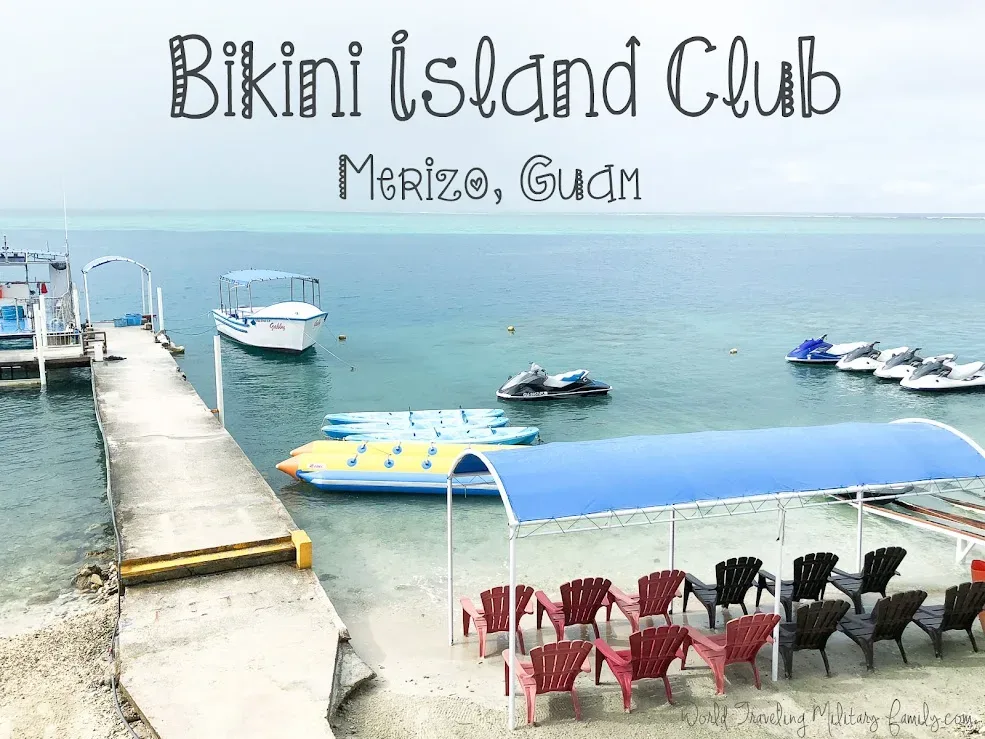
比基尼岛俱乐部

Wat Chalong
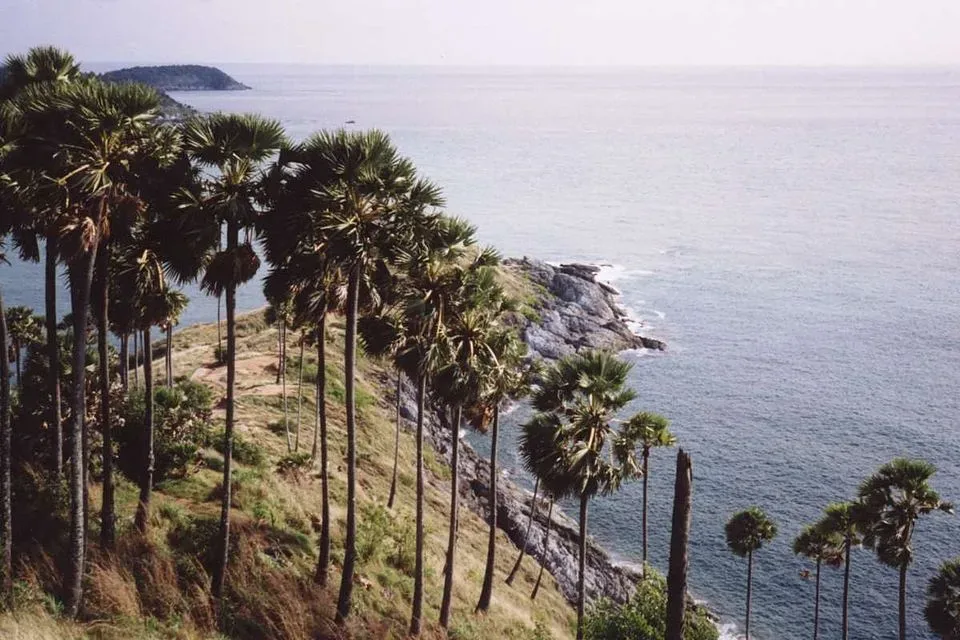
Promthep Cape

Heritage of Cebu Monument
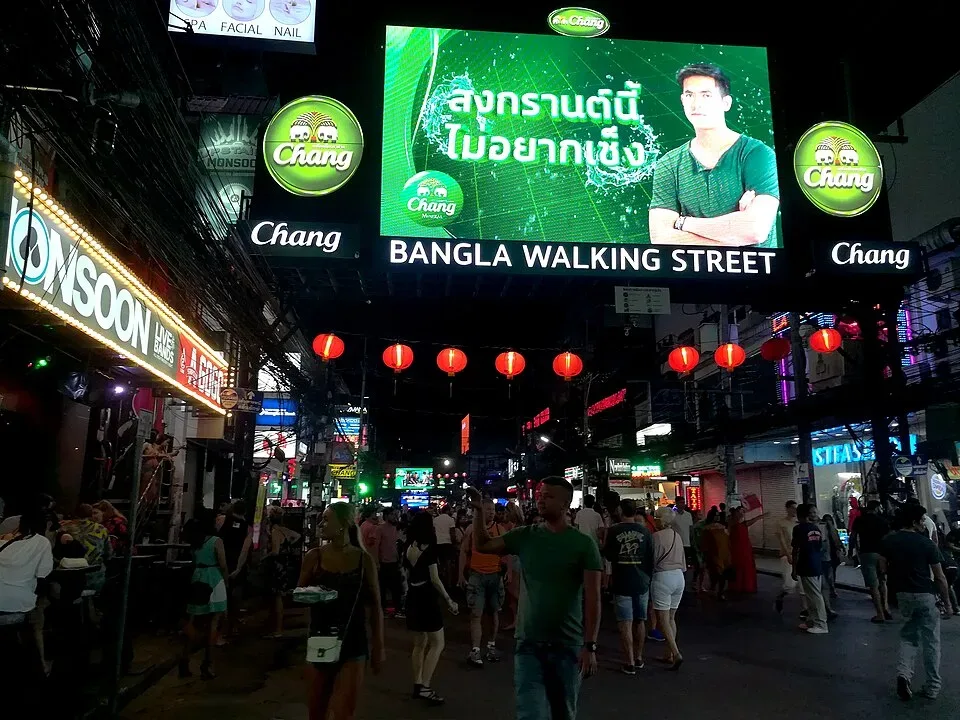
Bangla Road
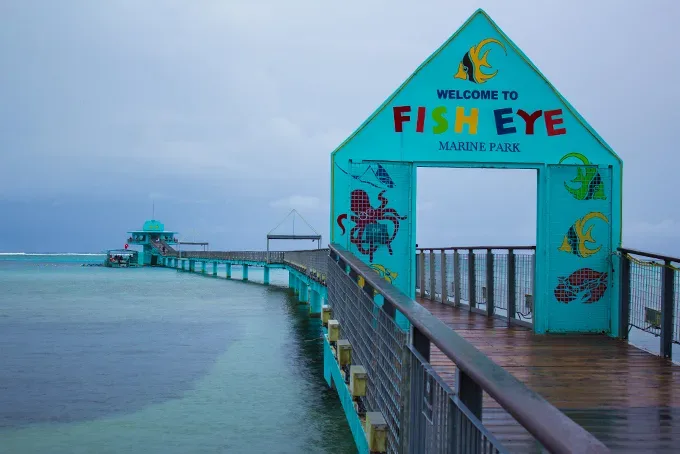
鱼眼海洋公园
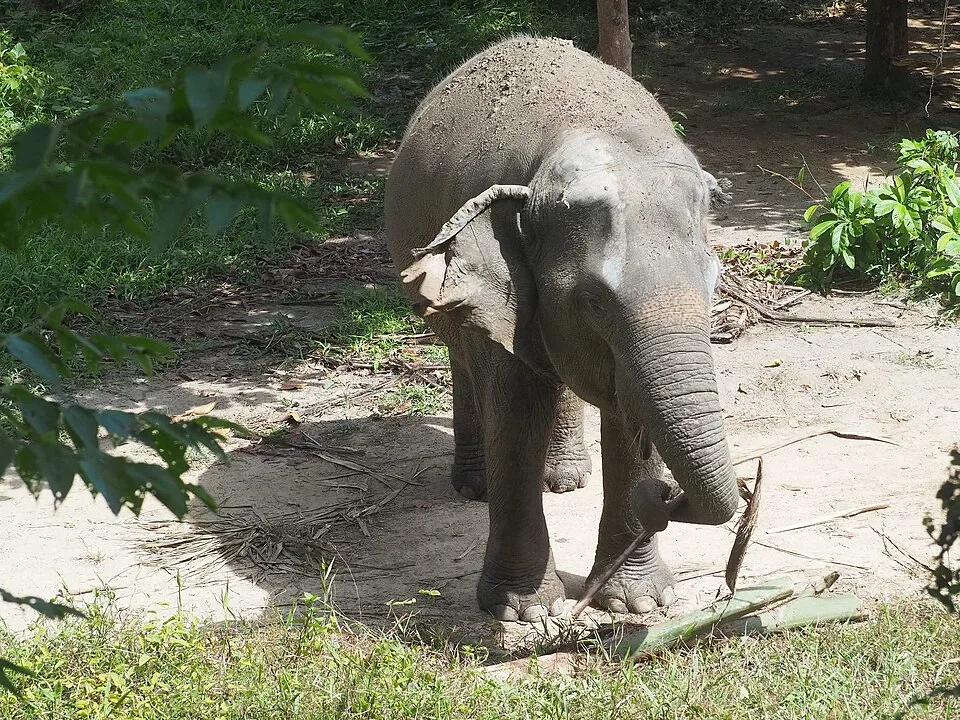
Phuket Elephant Sanctuary
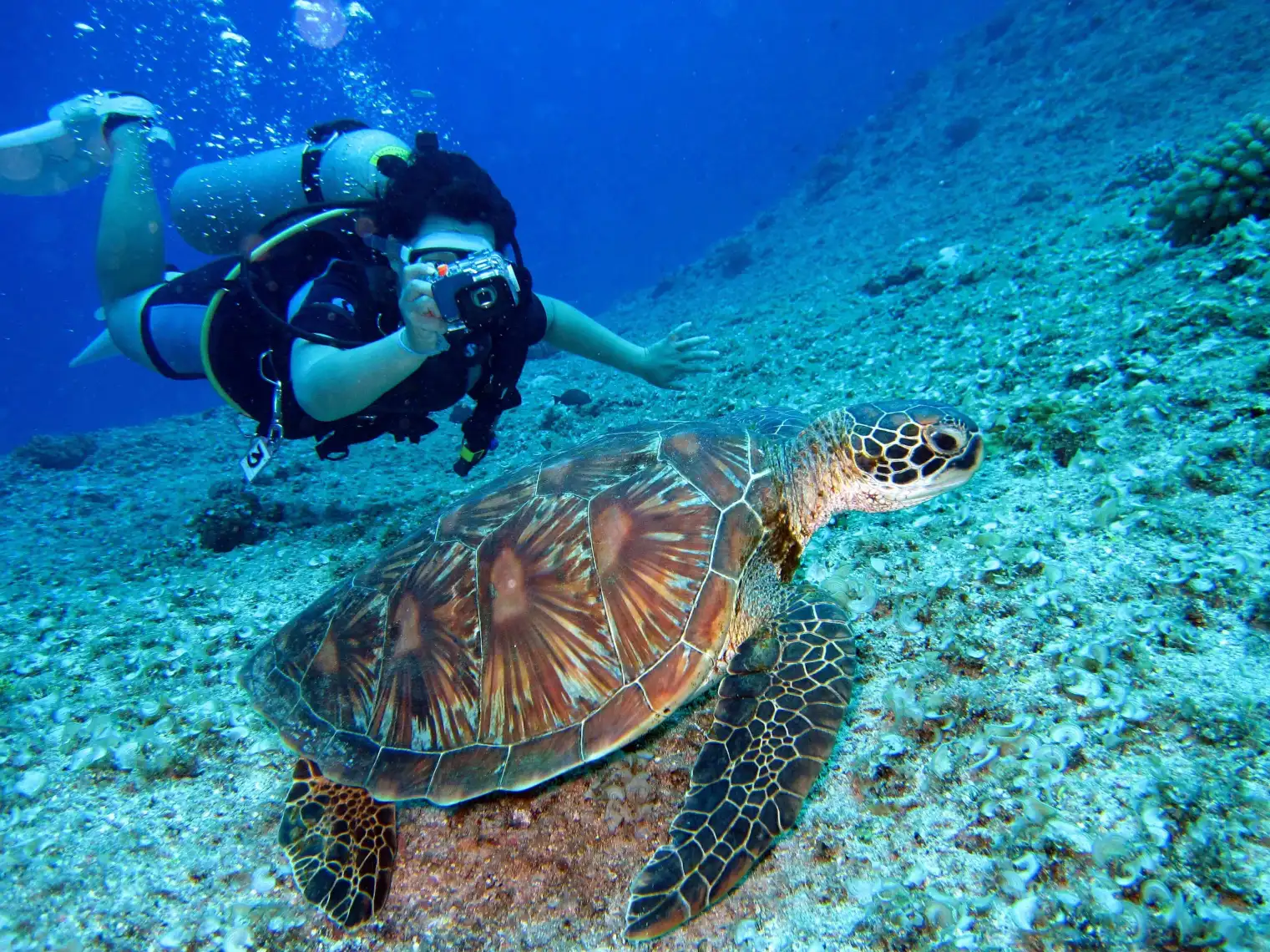
Guam Ocean Adventures
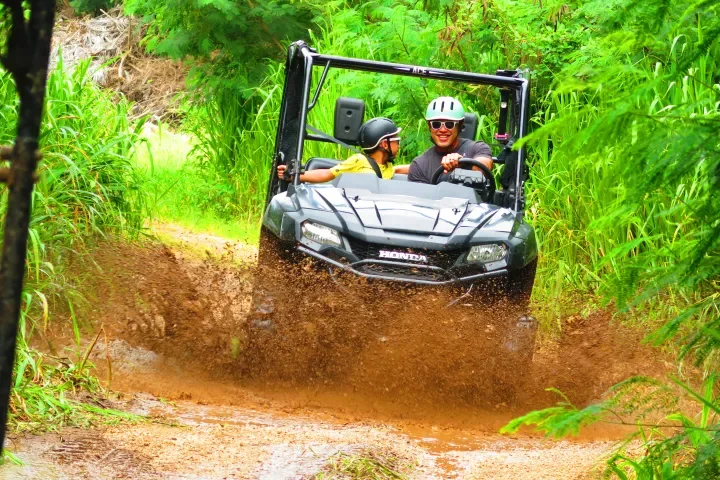
关岛探险乐园
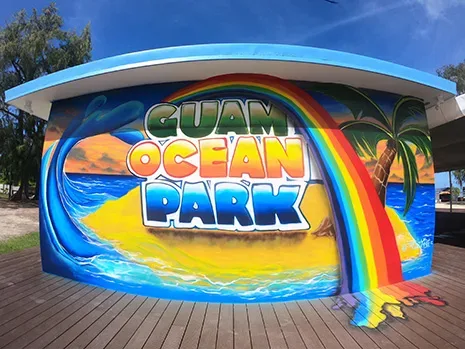
关岛海洋公园
Best Dive Sites in Cebu
Monad Shoal off Malapascua Island is the island's most iconic dive — a seamount at 22–30 metres where thresher sharks gather at a cleaning station most mornings. Early departure (boats leave Malapascua before 5am) maximises encounter probability. The sardine run at Panagsama Beach, Moalboal, is snorkellable from shore — one of the world's most accessible marine wildlife spectacles. Pescador Island, a 15-minute pumpboat ride from Moalboal, has a dramatic cathedral cave dive at 18–24 metres. Mactan's Shangri-La and Moevenpick house reefs are beginner-friendly and rich in coral and turtles. The Hilutungan Marine Sanctuary is excellent for snorkelling. In the south, Oslob whale sharks are the most-visited experience despite ethical controversies around feeding.
Planning Your Cebu Dive Trip
For a dedicated dive trip to Cebu, basing yourself in Moalboal (for the sardine run, turtles, and day trips to Pescador Island) gives the most efficient access to the southwest coast sites. Malapascua requires a separate trip — 3–4 hours north of Cebu City, then a 30-minute pumpboat — and is best done as a standalone 2–3 night stay. Mactan Island dive centres (Shangrila Dive Centre, Kookoo's Nest) are convenient for arriving guests and serve beginners and open-water students well. PADI Open Water certification courses are widely available in Mactan (3–4 days, $300–$400) and Moalboal ($250–$350). Visibility peaks November–May; thresher shark encounters at Malapascua are most consistent March–May.
explore
Browse by Area
questions & answers
Frequently Asked Questions
Do I need diving experience to see thresher sharks at Malapascua?
PADI Open Water certification (the entry-level qualification) is technically sufficient for the Malapascua thresher shark dive, as the primary encounter depth is 20–30 metres — within open-water limits. In practice, most Malapascua dive operators require at least 20 logged dives and sometimes an Advanced Open Water certification, as the early-morning departure, moderate current at depth, and need for controlled buoyancy make this a dive better suited to experienced divers. Check requirements with your operator before booking.
Is the Moalboal sardine run good for snorkellers?
Yes — the Moalboal sardine run is one of the world's most remarkable snorkelling experiences. The sardine school is a permanent, year-round feature that hovers just 3–8 metres below the surface, accessible from the beach in front of Panagsama Beach's dive resorts. You need only basic snorkelling ability (mask, fins, snorkel) — the sardines are undisturbed by careful snorkellers and the sheer scale of the baitball is extraordinary. Dive operators along Panagsama Beach rent equipment for ₱200–₱300.
What is the best time of year to dive in Cebu?
November to May (dry season) offers the best diving conditions across Cebu — visibility typically reaches 20–30+ metres and surface conditions are calm. Thresher shark encounters at Malapascua peak in frequency and reliability from March to May. The sardine run at Moalboal is a year-round feature, unaffected by season. June to October (wet season) brings occasional reduced visibility and stronger currents at exposed sites; diving continues but conditions vary more widely.
explore more