discover
CHamoru Food in Guam
Indigenous flavours, traditional dishes, and where to experience them
CHamoru cuisine is the indigenous food culture of Guam's native CHamoru people — shaped by centuries of Spanish colonial influence, Filipino migration, and American military presence, layered over ancient Pacific traditions. The food is bold, communal, and deeply tied to land and ocean. Finadene (a tangy soy-vinegar-pepper sauce) appears on virtually every table. Kelaguen — citrus-marinated chicken, shrimp, or fish — is one of the most distinctive dishes in the Pacific. Red rice cooked with achote seeds is the staple side. The best way to experience CHamoru food is at a village fiesta, the Chamorro Village Night Market in Hagåtña (Wednesday evenings), or at family-run plate lunch diners away from the Tumon tourist strip.
5 listings across Guam

罗恩的餐馆
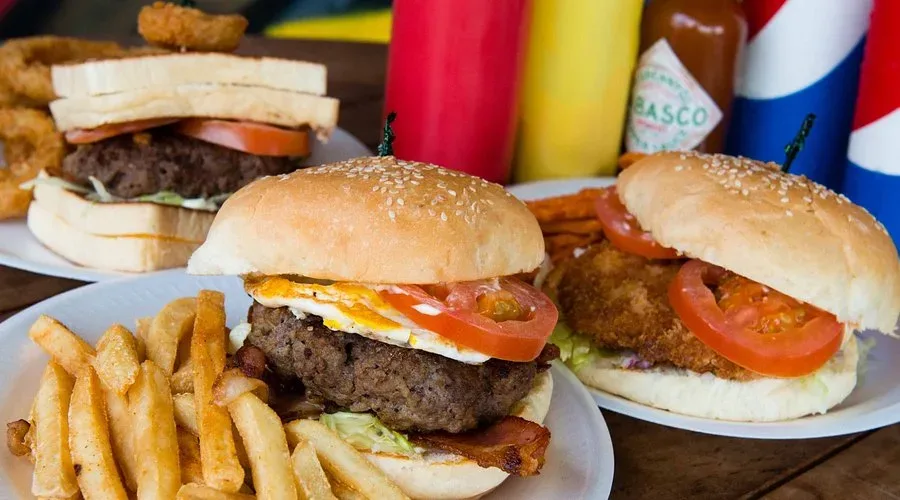
Meskla Dos Upper Tumon
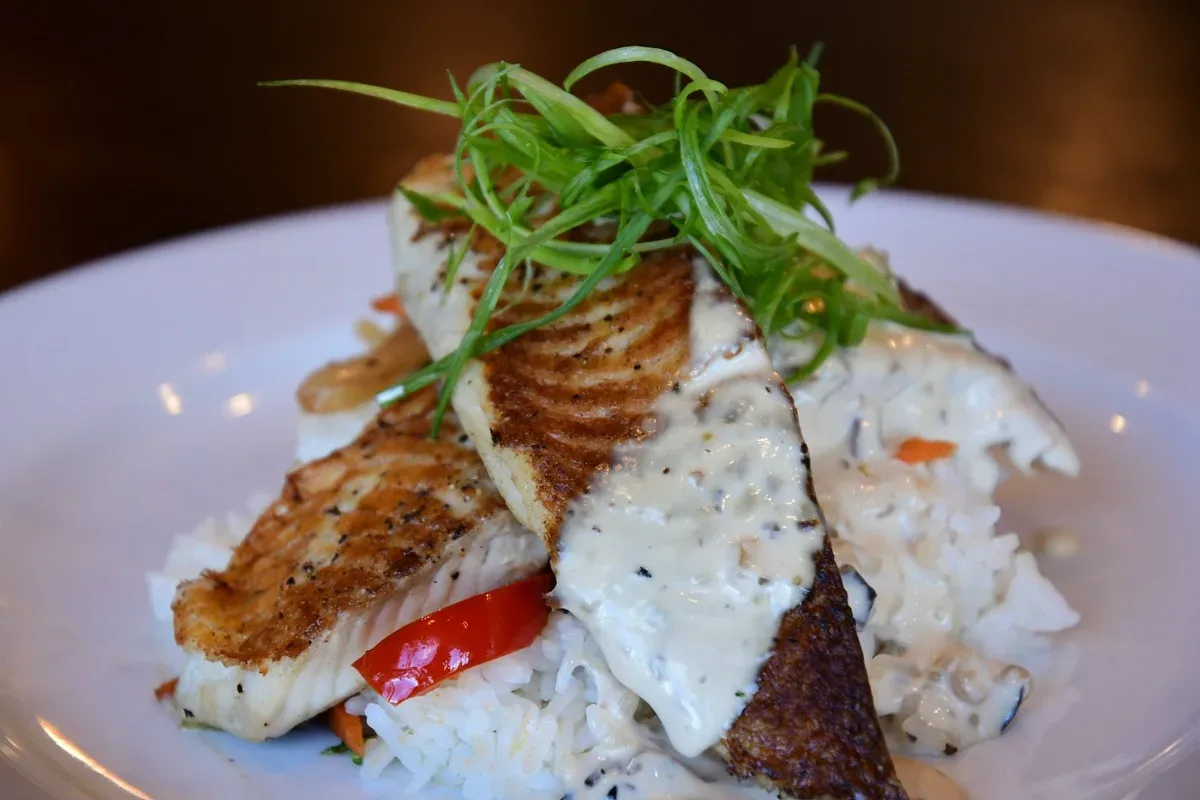
Meskla Dos Lower Tumon
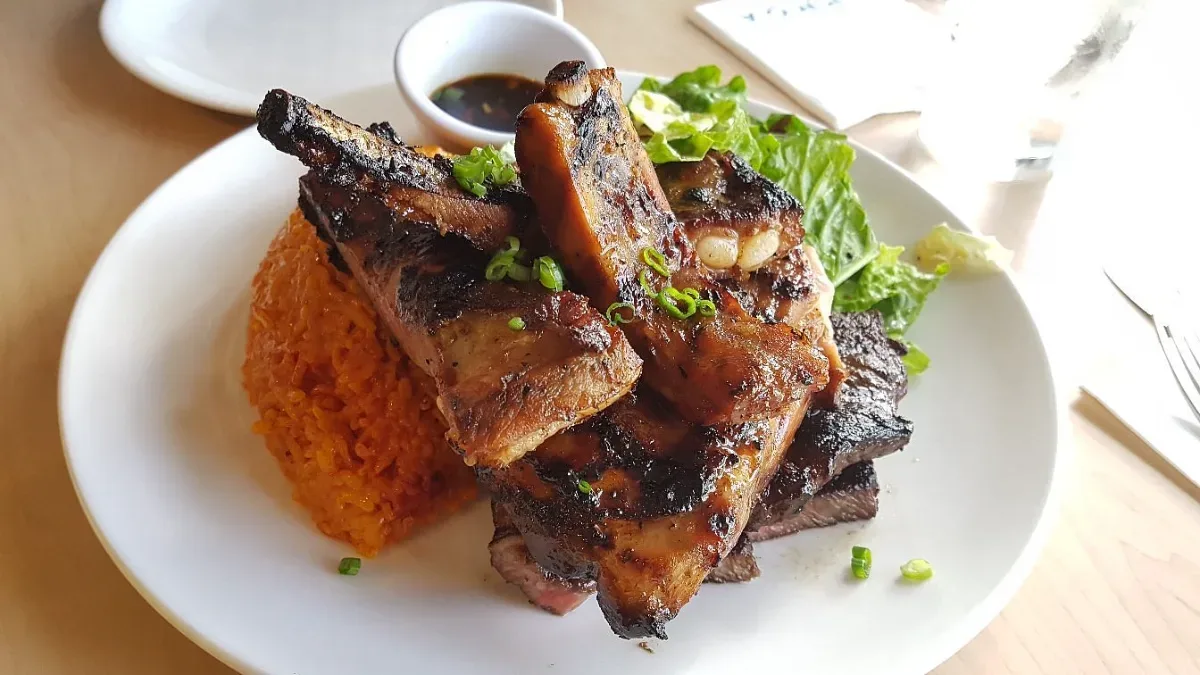
Proa Restaurant
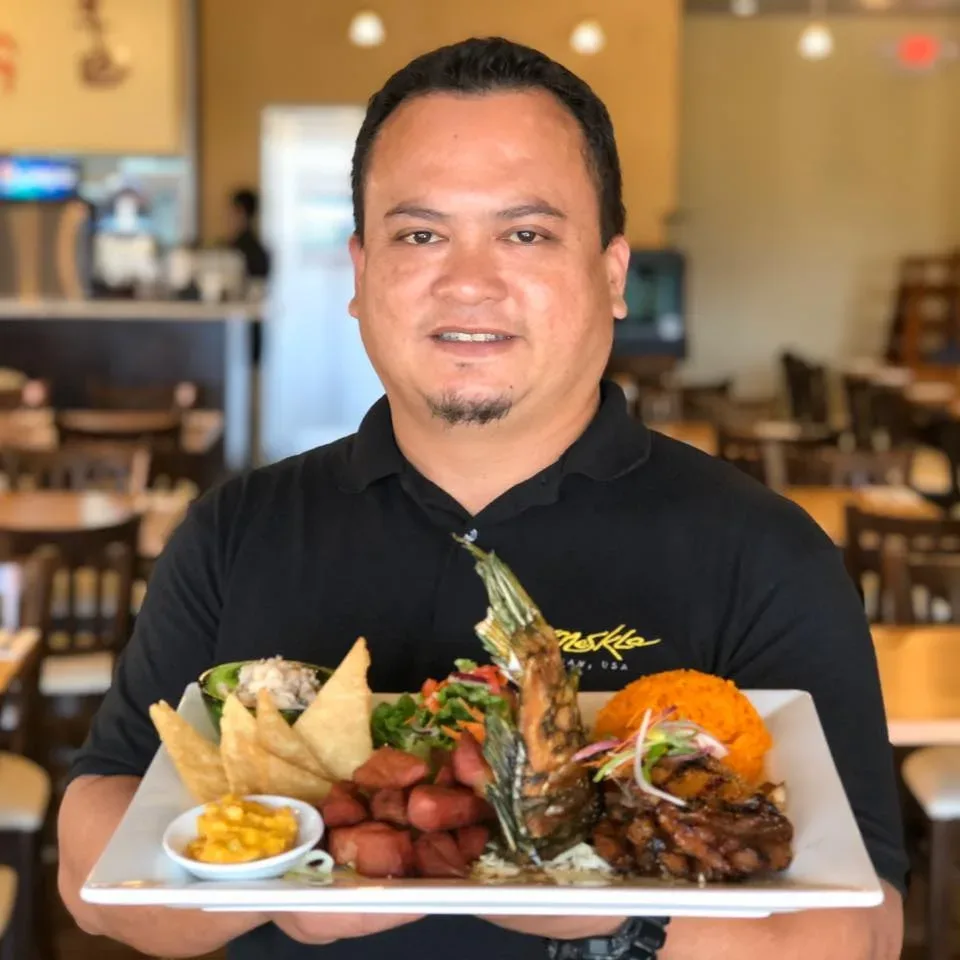
Meskla Chamorro Fusion Bistro
Essential CHamoru Dishes to Try in Guam
No visit to Guam is complete without trying kelaguen — meat or seafood marinated in fresh lemon juice, coconut, and hot pepper until the citric acid effectively cooks it. Chicken kelaguen is the most common version; shrimp kelaguen is a more delicate variant. Red rice (å'piga' in CHamoru) is present at virtually every CHamoru meal — its colour comes from achote (annatto) seeds. Titiyas are traditional corn tortillas served with meals or as a snack. Coconut candy and CHamoru-style empanada (a deep-fried pastry with spiced meat and vegetables) are must-try street snacks. Finadene — the island's all-purpose condiment of soy sauce, vinegar, onion, and hot pepper — accompanies everything. Tinaktak (ground beef simmered in coconut milk with long beans) is a comforting home-cooked favourite rarely found outside family kitchens and village fiestas.
Where to Find the Best CHamoru Food in Guam
The Chamorro Village Night Market in Hagåtña — every Wednesday evening from around 6 PM — is the single best place to experience CHamoru food in Guam. Dozens of vendors cook traditional dishes including kelaguen, red rice plates, empanada, shrimp patties, and CHamoru-style BBQ over wood fires in an open-air market setting. Local CHamoru plate lunch diners scattered throughout residential villages offer the most honest, everyday version of the cuisine — look for hand-lettered signs advertising 'plate lunch' or 'local food' in Agana Heights, Dededo, and Yigo. Village fiestas (celebrated throughout the year) are the ultimate CHamoru food experience: communal outdoor cooking with traditional dishes unavailable in restaurants, open to respectful visitors.
explore
Browse by Area
questions & answers
Frequently Asked Questions
What is the most famous CHamoru dish?
Kelaguen is arguably Guam's most iconic CHamoru dish — raw or cooked chicken, shrimp, beef, or fish marinated in fresh lemon juice, grated coconut, salt, and hot peppers. The acid from the lemon effectively 'cooks' the meat without heat, resulting in a tangy, fresh dish typically served with soft flour titiyas (flatbread). Finadene dipping sauce (soy sauce, vinegar, hot peppers, and onion) is the essential condiment found on every CHamoru table.
Where can I try authentic CHamoru food in Guam?
The Chamorro Village Night Market in Hagåtña (every Wednesday evening) is the most accessible place for visitors to try a wide range of authentic CHamoru dishes — kelaguen, red rice, BBQ ribs and chicken, titiyas, and local desserts like latiya and buñelos. Family-run plate lunch diners in Tamuning and Hagåtña are also excellent for daily CHamoru cooking. The Meskla CHamoru Fusion Bistro in Tamuning is a popular restaurant offering upscale takes on traditional dishes.
What is red rice in Guam?
Red rice (also called CHamoru red rice) is the defining staple side dish of Guam. It is cooked with achote (annatto) seeds, which give it a deep orange-red colour and a mild, earthy flavour. Red rice is served alongside virtually every CHamoru meal — with BBQ, kelaguen, escabeche, and fiesta dishes. It is made with long-grain white rice and differs from Filipino garlic rice or Spanish paella despite some shared cultural roots.
What is a CHamoru fiesta?
CHamoru village fiestas are community feast celebrations held throughout the year, typically tied to patron saint days of each of Guam's villages. Each village holds its own annual fiesta, which is open to all — locals set up large outdoor cooking stations, preparing massive amounts of CHamoru BBQ, kelaguen, red rice, kadu (chicken soup), and desserts for anyone who visits. Fiestas are one of the most authentic cultural experiences available to visitors in Guam.
explore more