discover
Best Beaches in Guam
Top-rated beach spots, coves, and waterfront areas across the island
Guam's beaches span the full spectrum from the wide, developed Tumon Bay resort strip — calm, clear, and lined with facilities — to protected wilderness beaches at Ritidian Point in the north and quiet southern coves in Merizo and Umatac. The island's position in the western Pacific means warm water year-round and generally calm conditions outside of typhoon season. Browse verified beach listings below, with honest reviews from real visitors.
165 listings across Guam
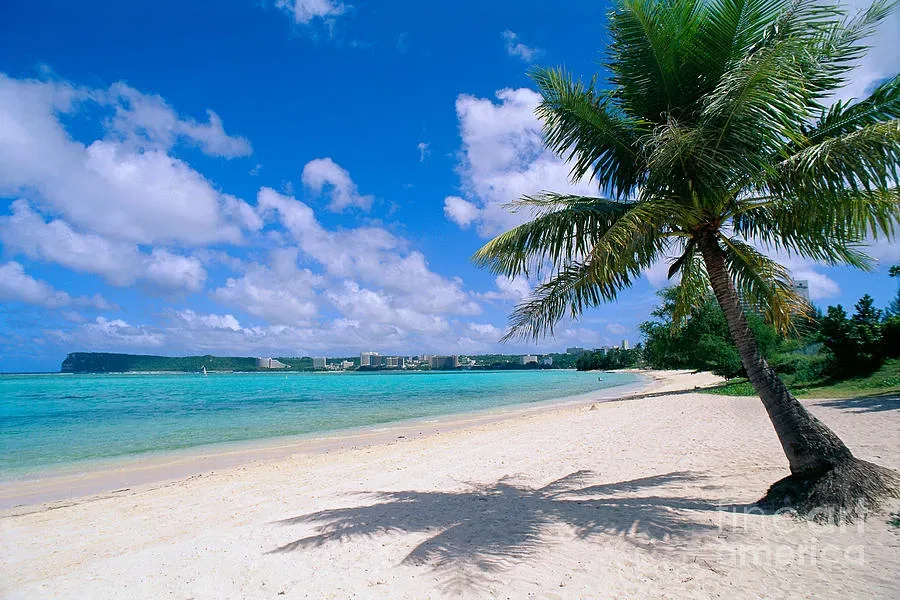
Tumon Beach
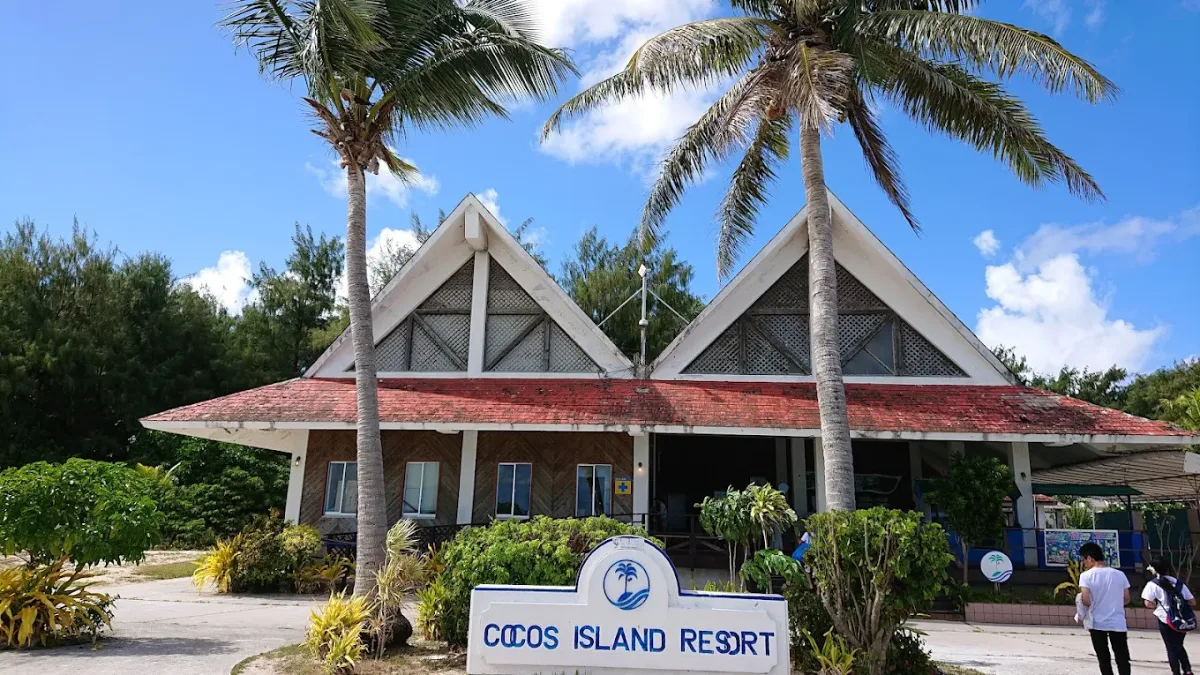
코코스 아일랜드 리조트
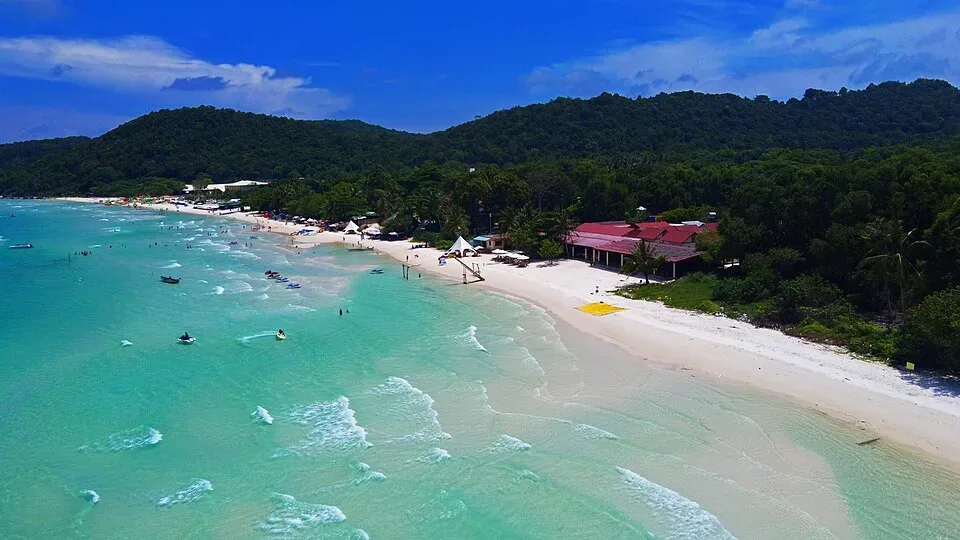
Sao Beach (Bãi Sao)
Long Beach (Bãi Trường / Truong Beach)
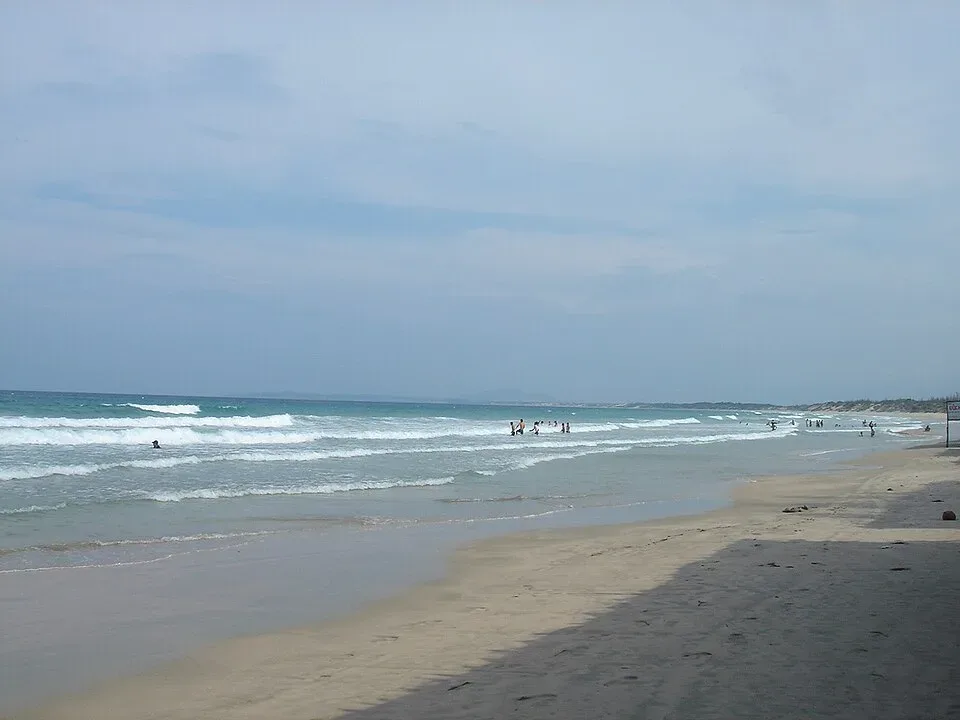
Bai Dai beach
NEON PALMS
Smith Point Beach

Nusa Dua Beach
Kalim Surf Beach #3
Lapus Lapus Beach
Onok Island Beach
Bugsuk Island Beach
Guam's Best Beaches by Type
Tumon Bay is the go-to beach for families and first-time visitors. The wide, gently shelving shoreline has calm, turquoise water protected by an offshore reef, and the surrounding resort strip means food, equipment rentals, and facilities are immediately to hand. Ypao Beach Park, just north of Tumon, is a public park with pavilions, showers, and a playground — popular with local families on weekends. Gun Beach, reached via a dirt road off Route 1 near Hagåtña, is a narrow, uncrowded beach with excellent snorkelling directly off the sand. In the far north, Ritidian Beach within the Guam National Wildlife Refuge is Guam's most pristine natural beach — no facilities, no vendors, no crowds, just powder-white sand, sea turtle nesting grounds, and some of the clearest water on the island. Permits can be required for Ritidian access; check with the US Fish & Wildlife Service in advance. Southern beaches at Merizo and Umatac are smaller and less developed, but the dramatic coastal cliffs and quiet atmosphere are completely different from the resort north.
Beach Conditions and Safety
Guam's sea conditions are warmest and calmest from December through June, coinciding with the dry season and peak tourist period. The wet season (July–November) brings higher humidity, occasional heavy rain, and the risk of typhoons — seas can be rough during and after major storms, and some beaches may be temporarily closed by civil defence authorities. Water temperatures range from 27–30°C year-round, making a wetsuit unnecessary. The main hazard at Guam's reef beaches is fire coral — a pale, branching formation that causes an intense burning rash on contact. Stay off all reef formations and wear water shoes in shallow reef zones. Jellyfish are occasionally present, most frequently near the reef edges rather than the sandy swimming areas. There are no lifeguards at most beaches; children should be supervised at all times, particularly at beaches with reef drop-offs.
explore
Browse by Area
questions & answers
Frequently Asked Questions
What is the best beach in Guam?
Tumon Bay is the most popular beach in Guam — a wide stretch of white sand with calm, turquoise water, beach chair rentals, food vendors, and easy access from the main hotel strip. For a more natural experience, Ritidian Beach (Gun Beach Road, north Guam) is often considered the island's most beautiful — pristine sand, protected wildlife area, and rarely crowded. Gun Beach and Ypao Beach Park are also excellent, with snorkelling reefs close to shore.
Are Guam's beaches safe for swimming?
Yes — Guam's main beaches are generally very safe for swimming. Tumon Bay has no significant currents and the reef protects against large waves, making it ideal for families with children. Ritidian Beach can have stronger conditions — check local advisories before swimming there. Outside typhoon season (December to June), sea conditions are calm and water visibility is excellent. Ocean temperatures hover around 27–30°C year-round.
Are there any free beaches in Guam?
Yes — most of Guam's beaches are free to enter. Ypao Beach Park, Gun Beach, Ritidian Beach, and most public beach parks have no entrance fee. Tumon Bay's beachfront is public, though beach chairs and equipment rented from resorts are paid. A few hotel-operated beach areas require you to be a guest or purchase a day pass, but the majority of Guam's coastline is freely accessible.
explore more